Frida Kahlo: Immersive experience
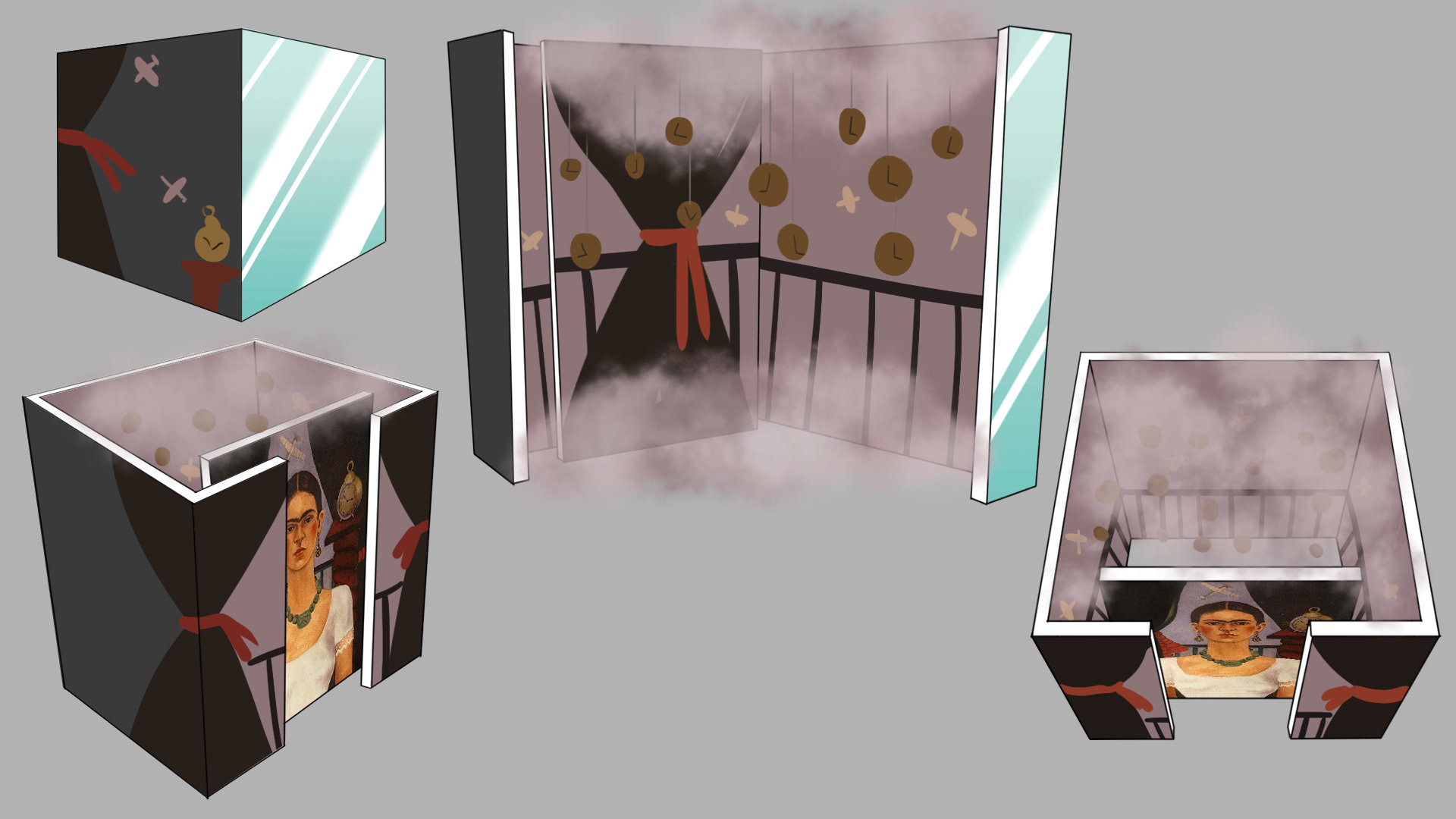
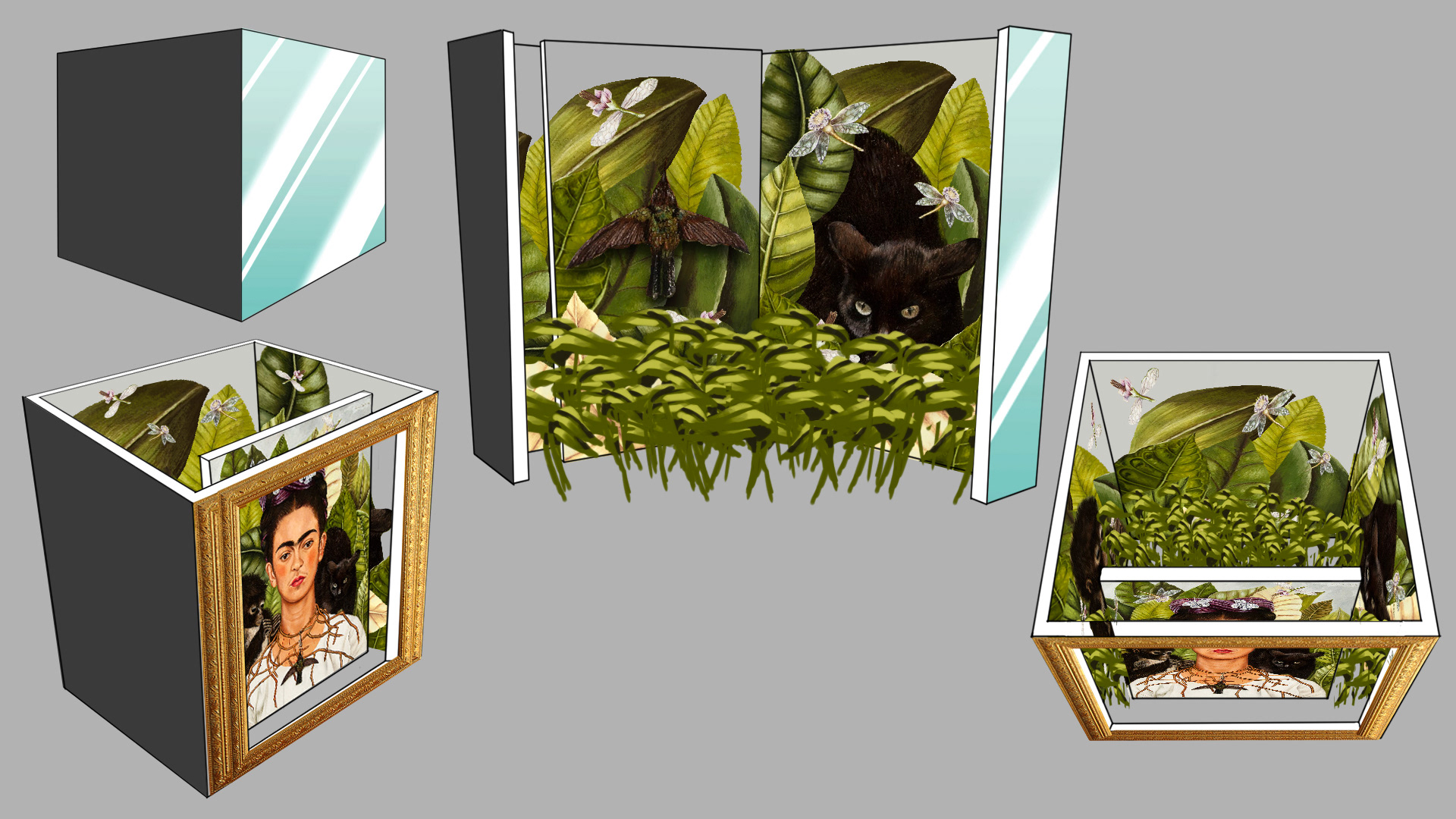
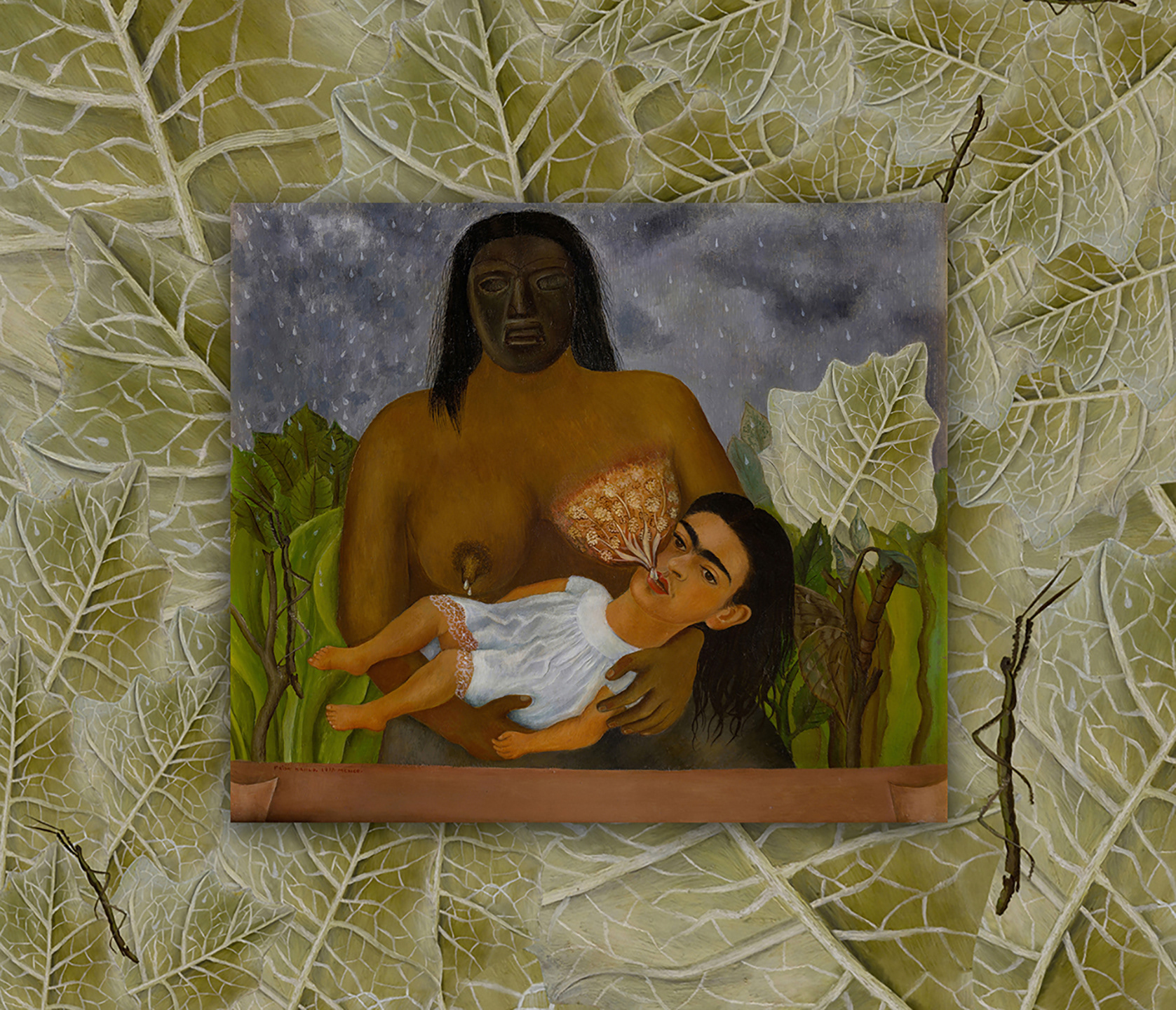
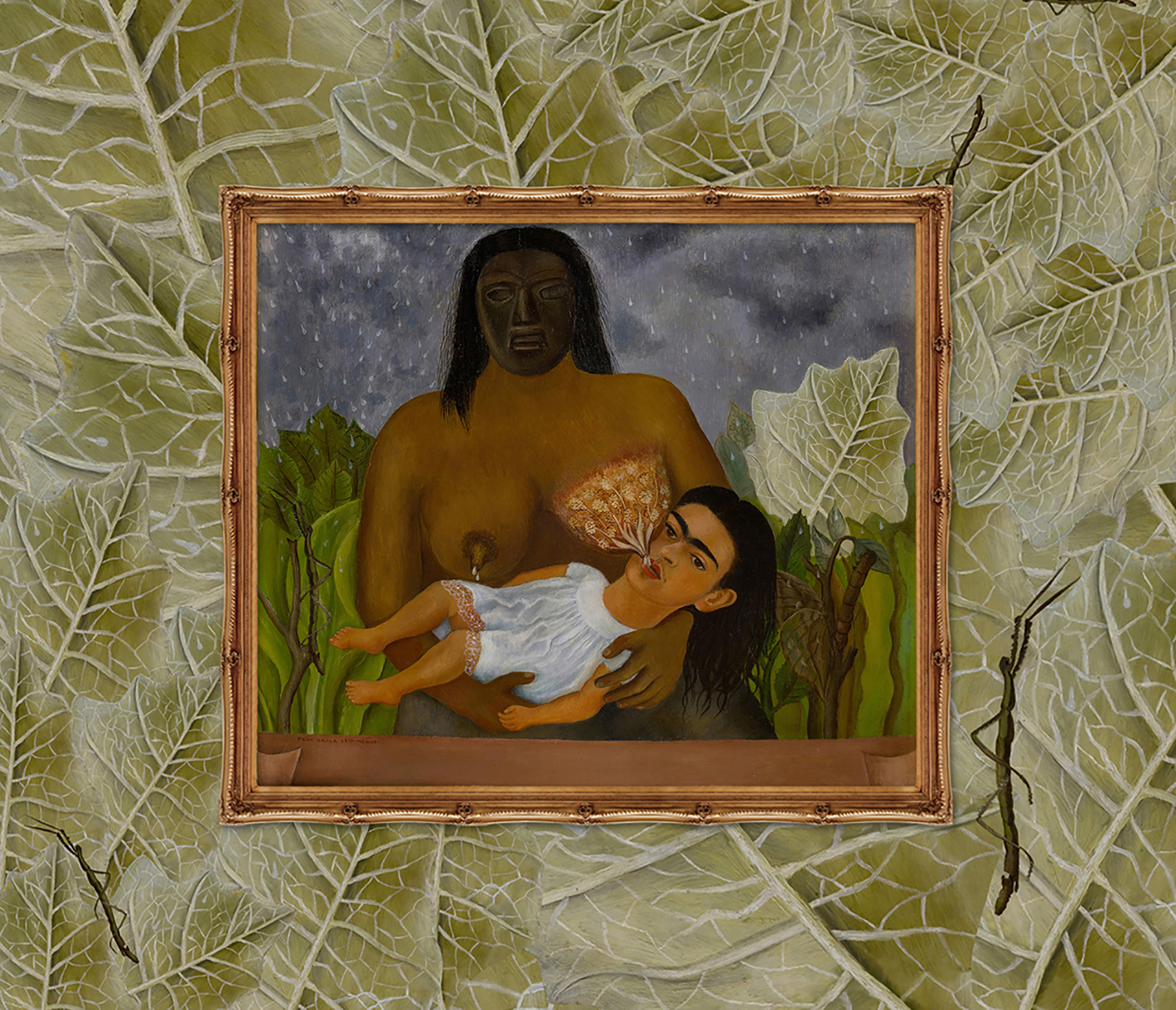
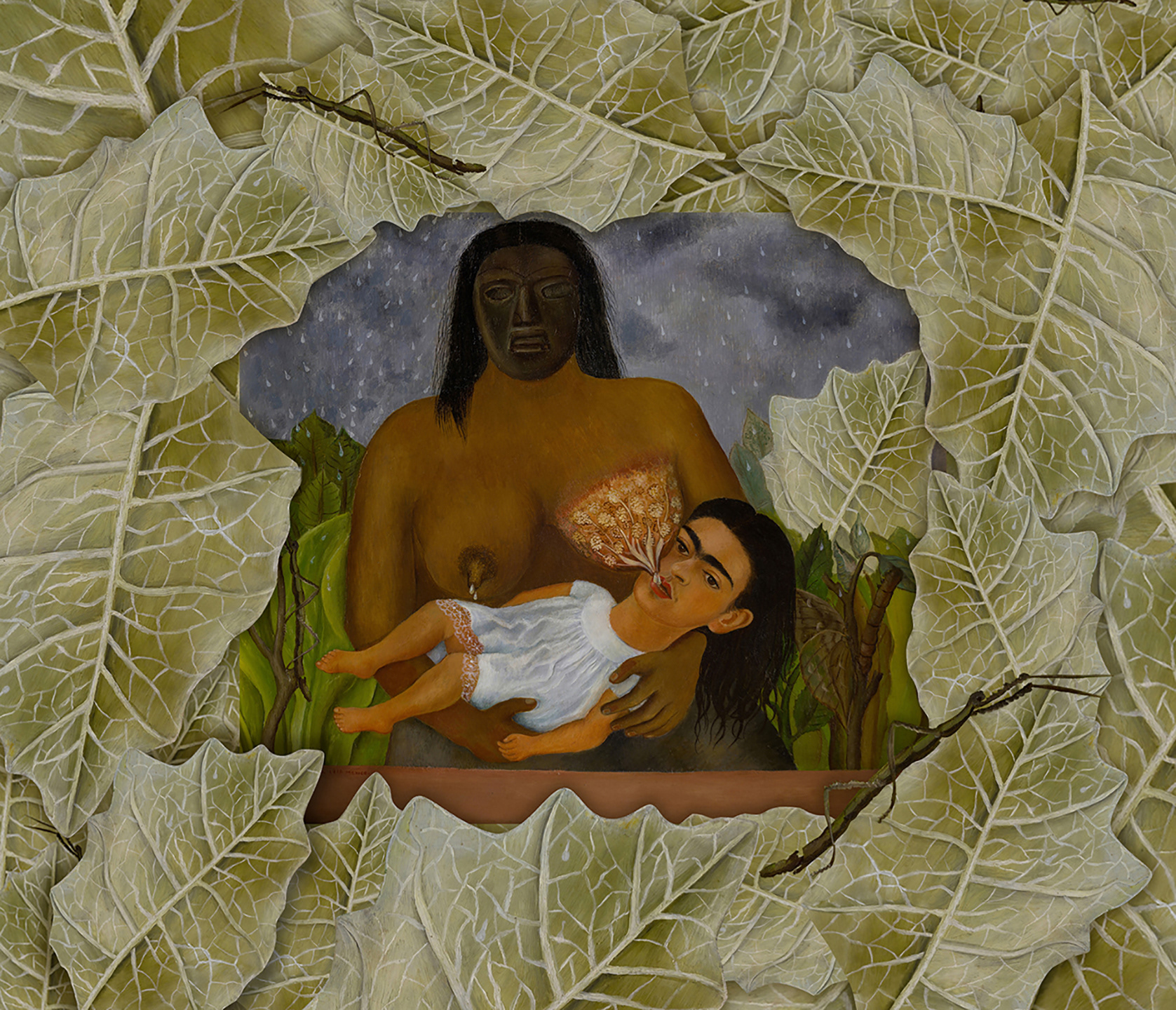
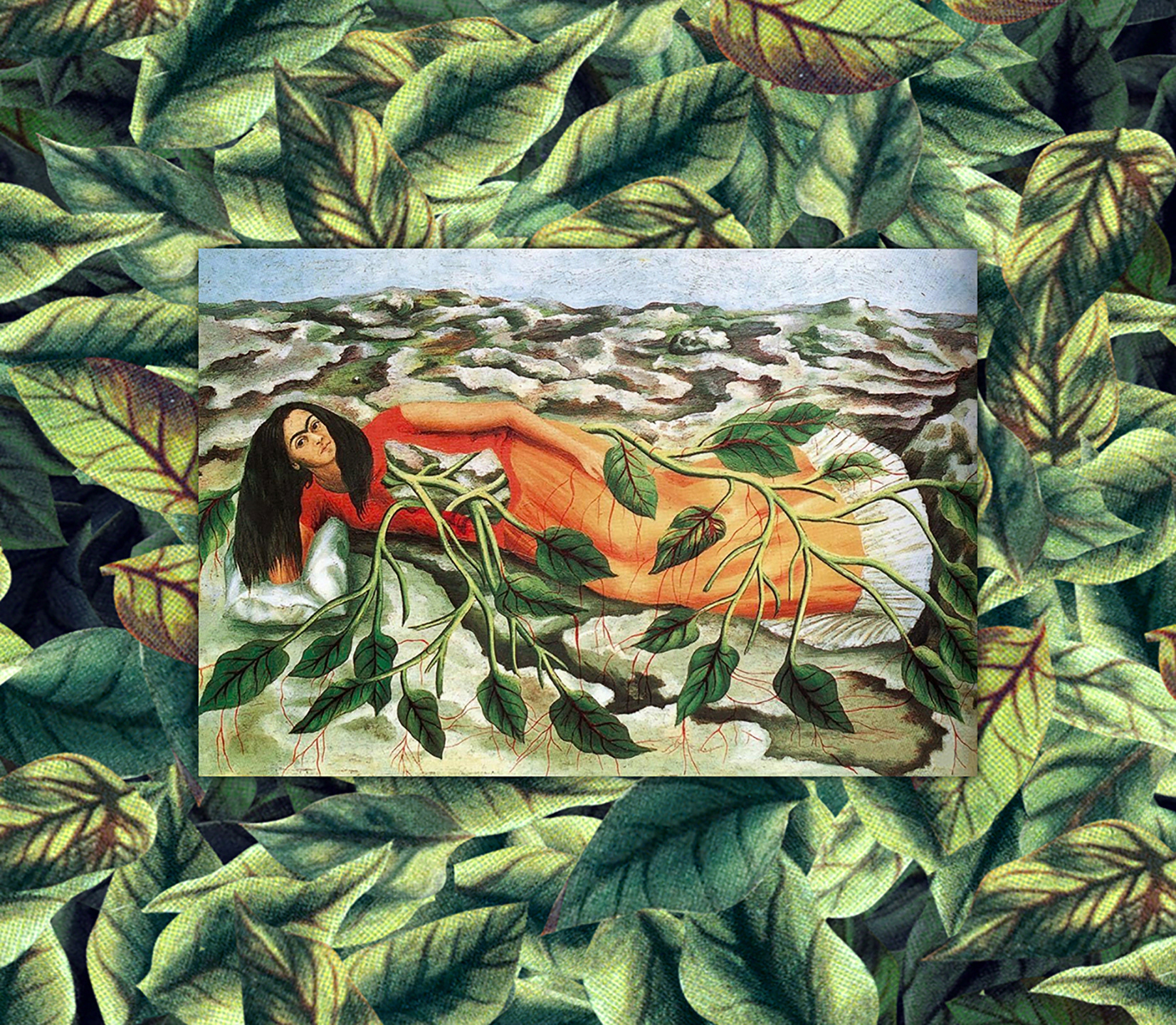
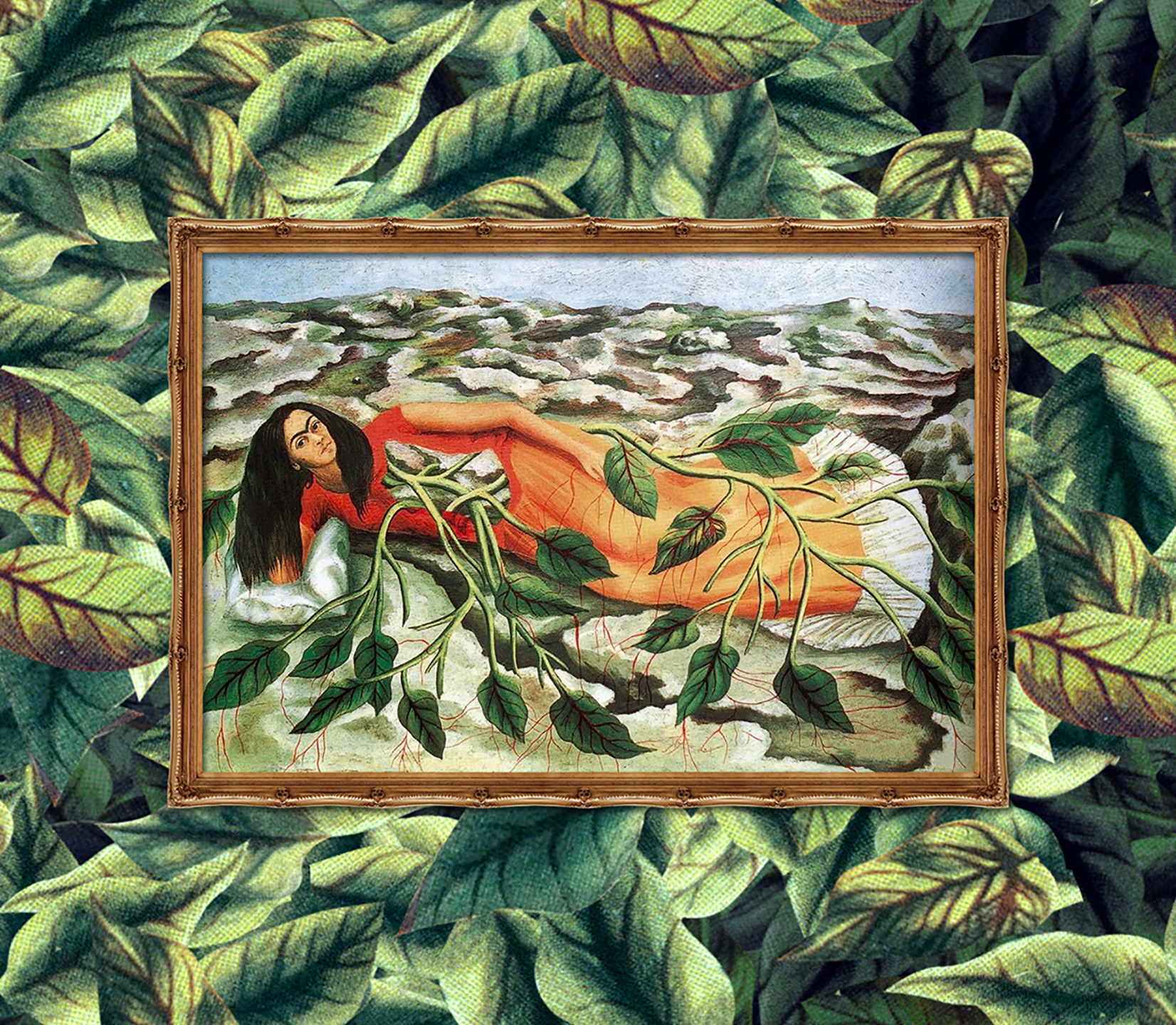
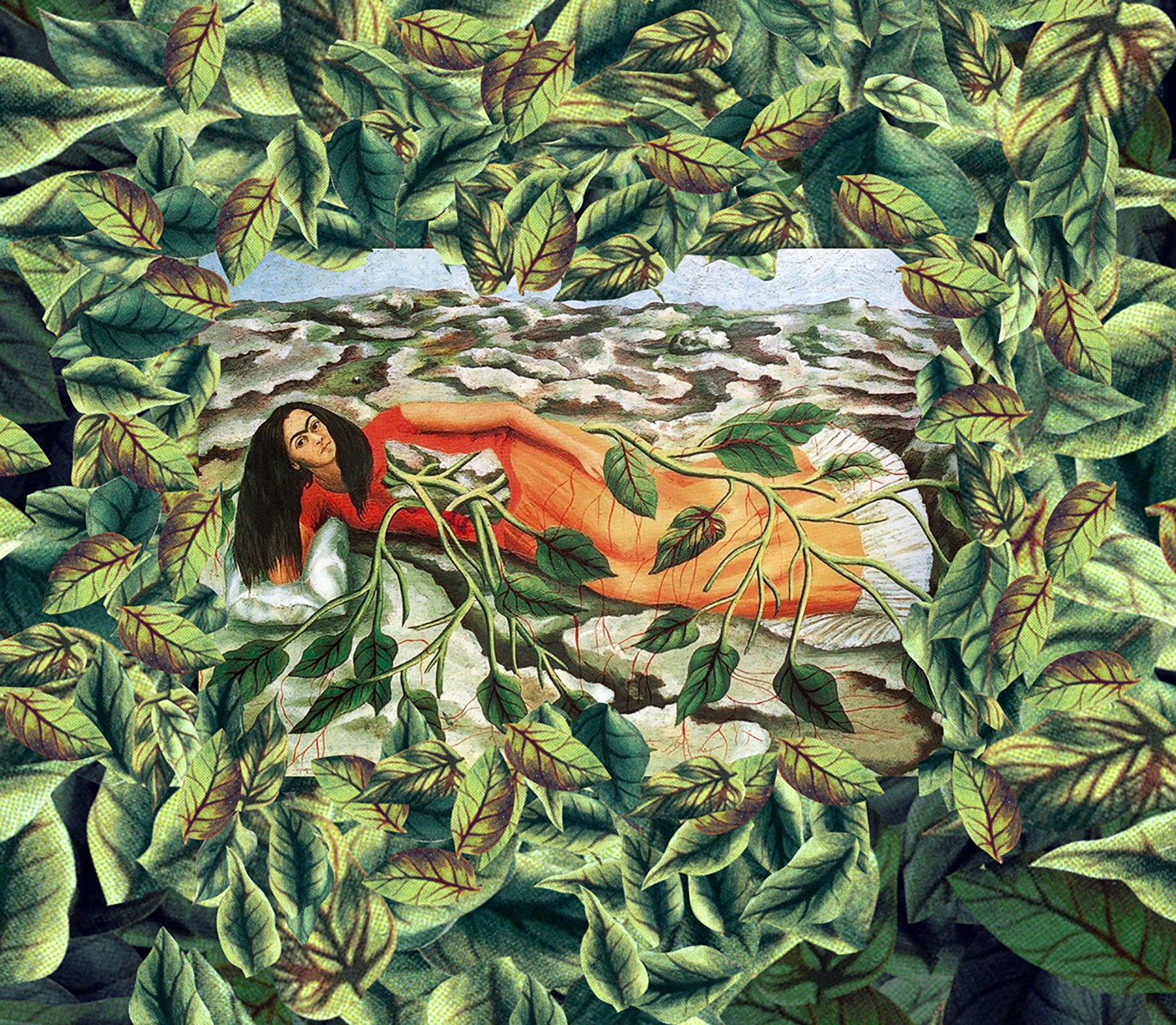
Early in the production process we knew we wanted to be able to "step inside" Frida's paintings, but there was also a need for logistics and transportation to be taken into account.
One of the early solutions was boxes: easy to transport and to adapt to different sized spaces. On the outside, the boxes would be decorated with the painting itself so guests would know which box was which (with several frame explorations taken into account, as seen below) and on the inside, would contain physical props and arrangements of the painting itself, allowing people to take pictures.
One of the early solutions was boxes: easy to transport and to adapt to different sized spaces. On the outside, the boxes would be decorated with the painting itself so guests would know which box was which (with several frame explorations taken into account, as seen below) and on the inside, would contain physical props and arrangements of the painting itself, allowing people to take pictures.
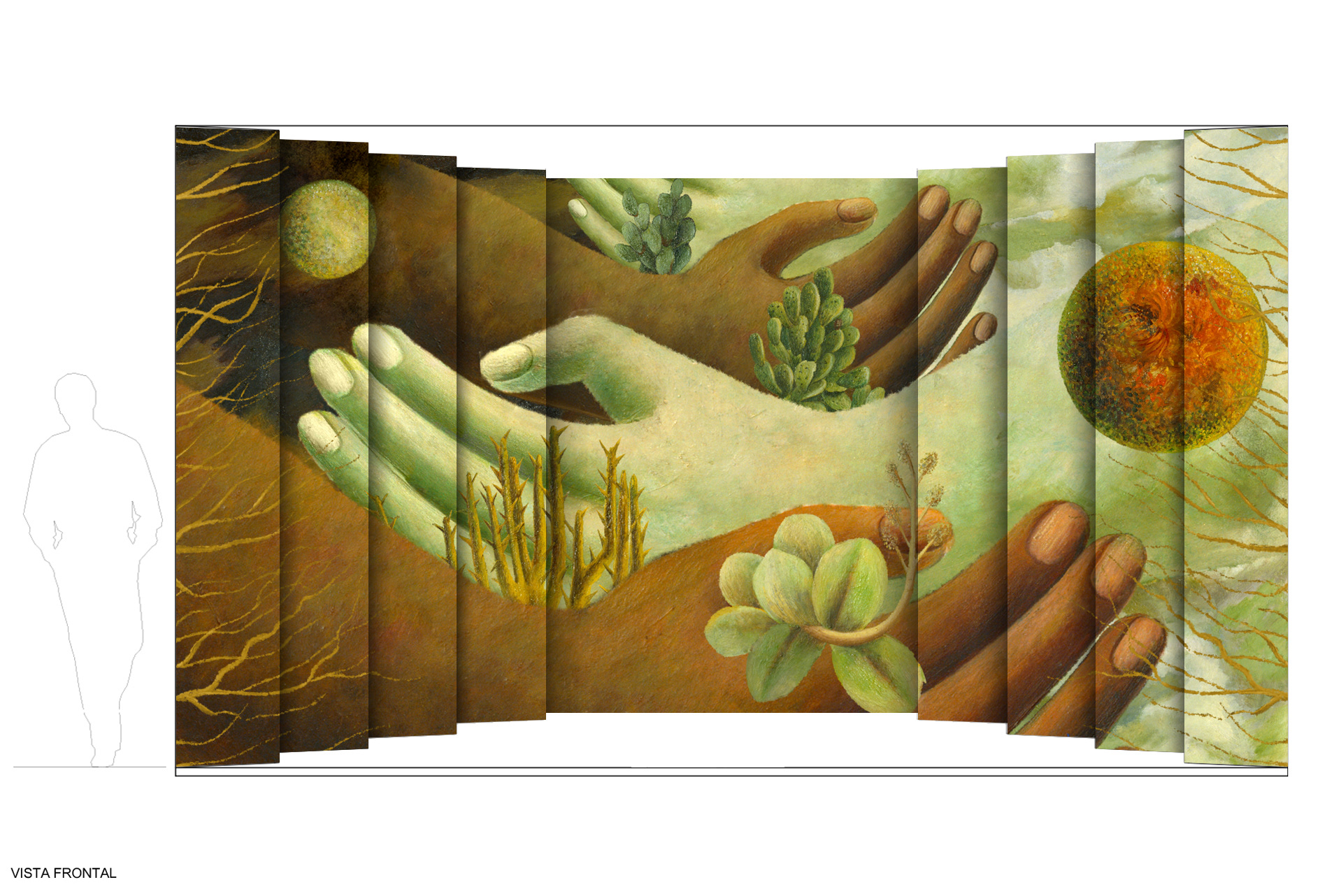
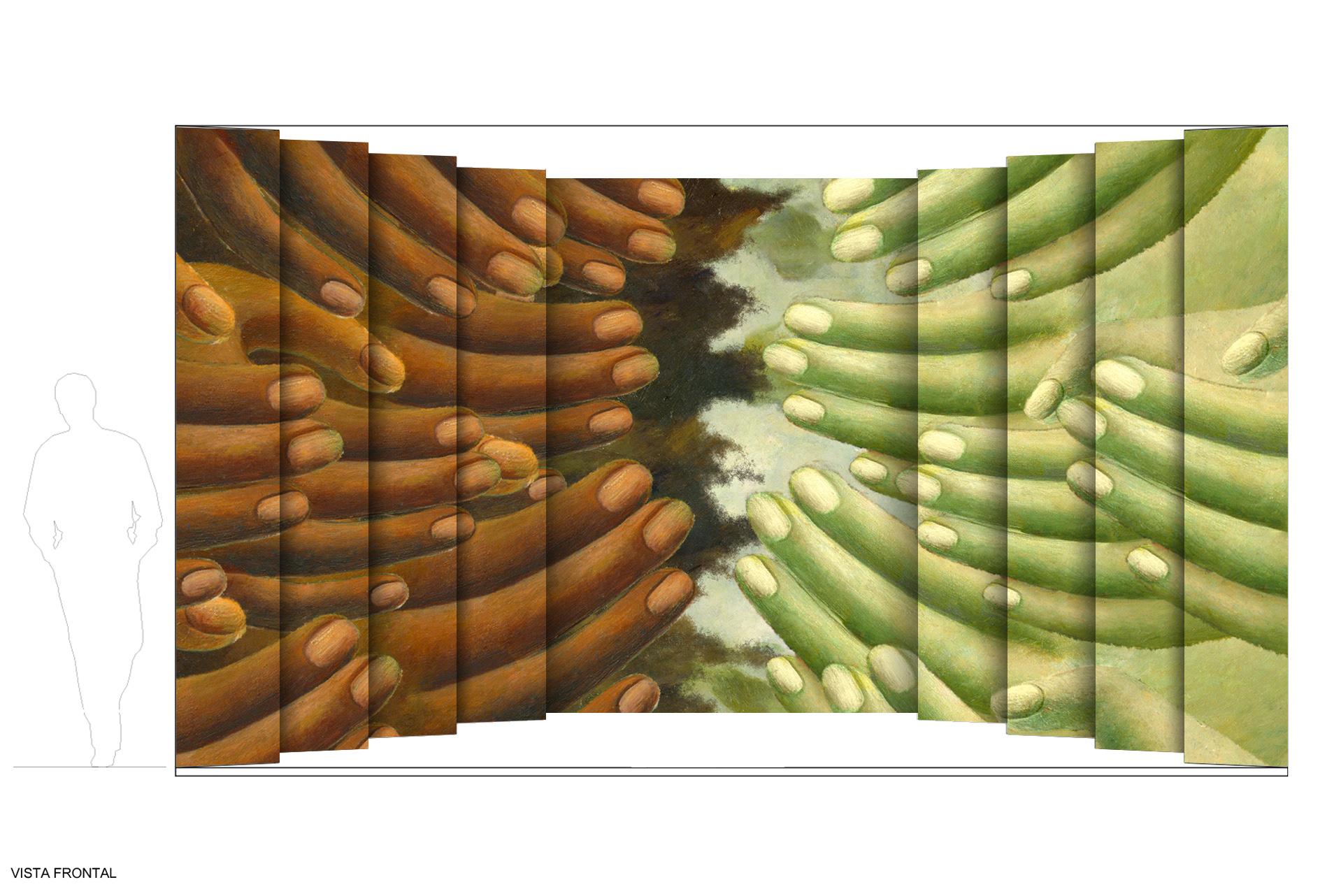
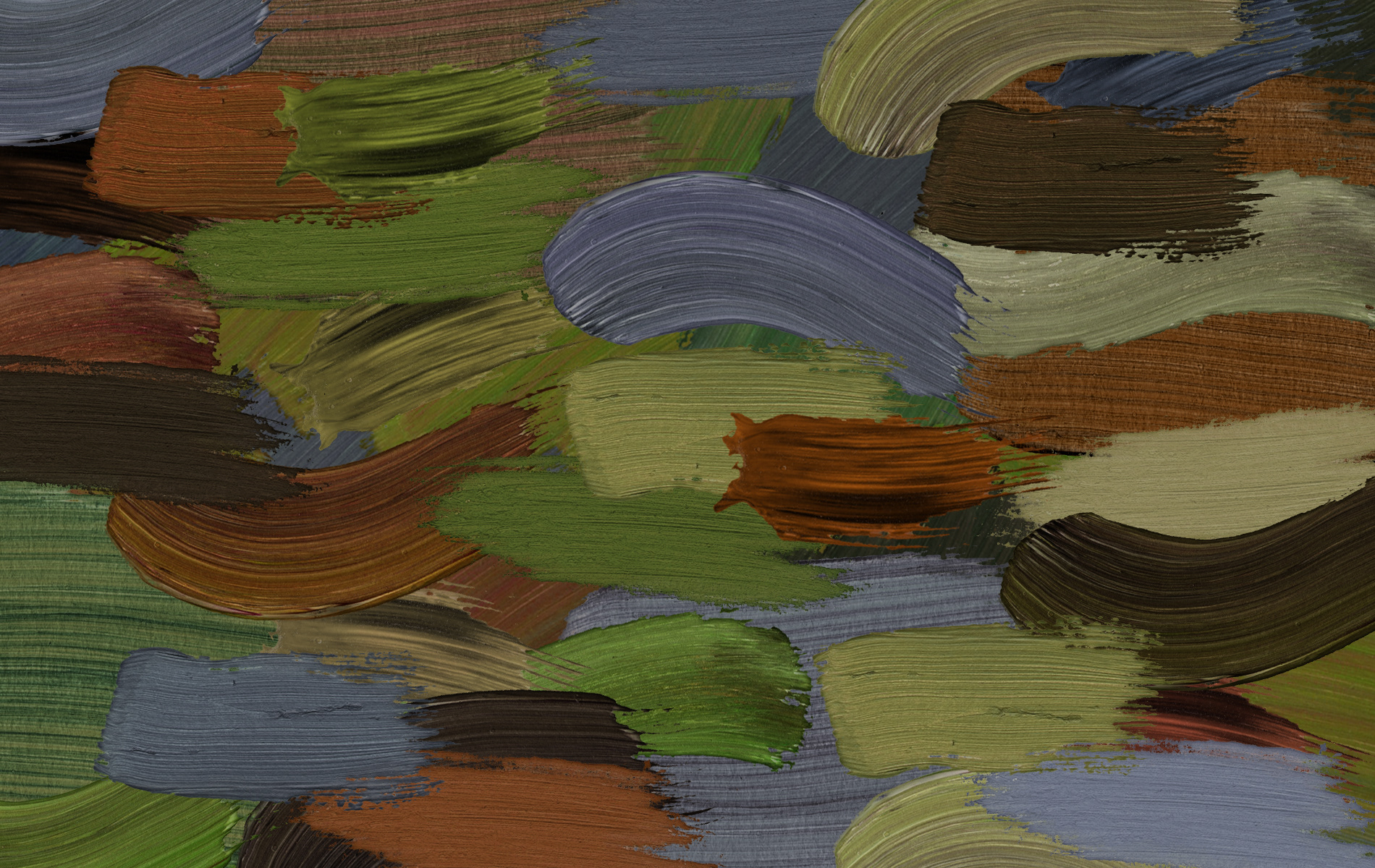
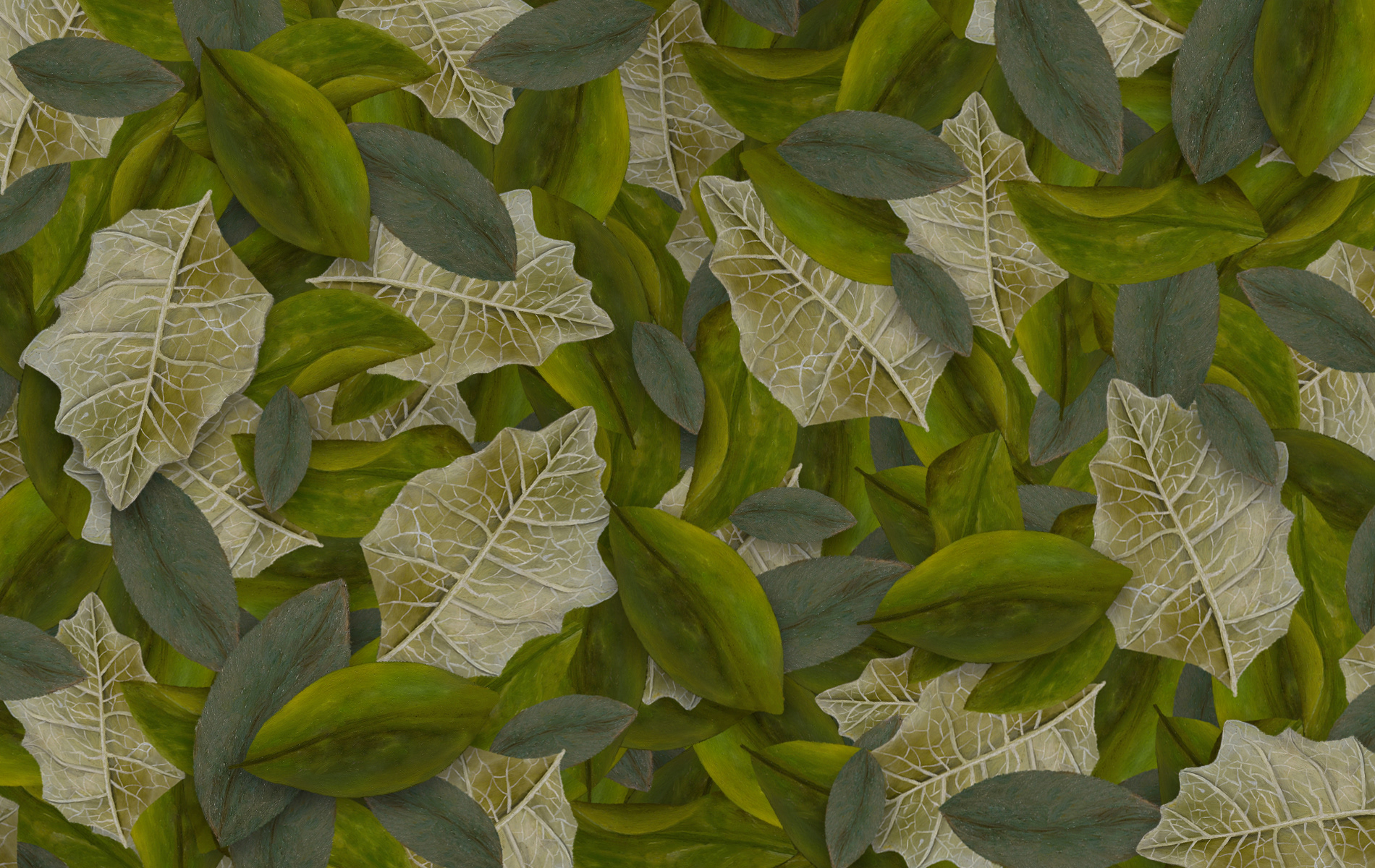
The second part of the exploration process took inspiration from previously existing art installations, and concluded a wide open space would probably serve best instead of the boxes, with areas for photo opportunity where guests could pose.
There was the question on what to do with the floor and the photo opportunity walls. On the floor I explored different ideas. Paintbrushes, similar to an artist palette, that would change color to match the palette of the painting shown at the moment. And a more complex option in which elements of the paintings would be cut from their original canvas, reconstructed, and then placed on the floor. This idea made it to the final concept.
For photo opportunity areas, I constructed surrealist looking landscapes with the idea of framing guests in mind, so they'd want to get their picture taken there.
There was the question on what to do with the floor and the photo opportunity walls. On the floor I explored different ideas. Paintbrushes, similar to an artist palette, that would change color to match the palette of the painting shown at the moment. And a more complex option in which elements of the paintings would be cut from their original canvas, reconstructed, and then placed on the floor. This idea made it to the final concept.
For photo opportunity areas, I constructed surrealist looking landscapes with the idea of framing guests in mind, so they'd want to get their picture taken there.
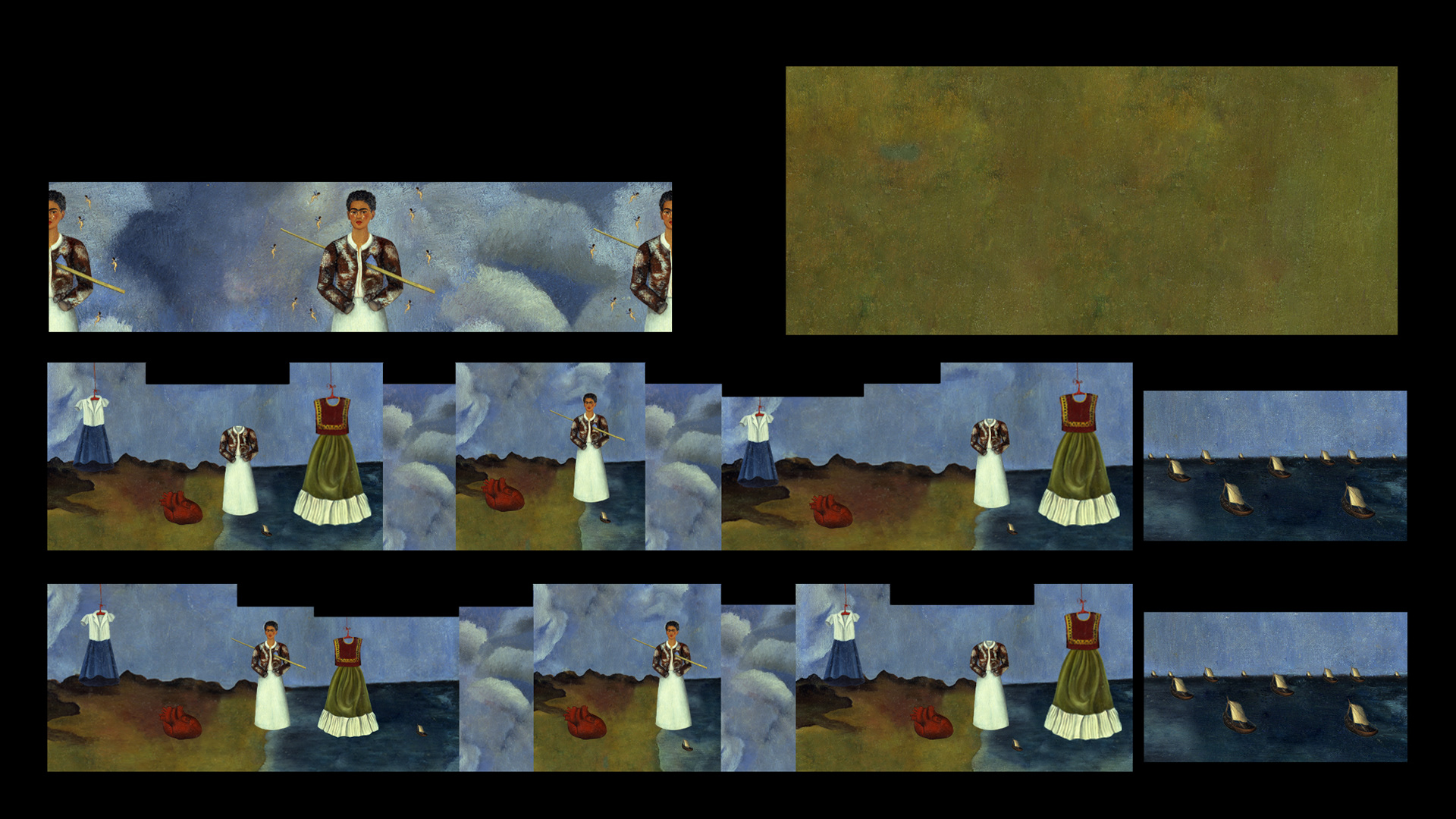
Once the final layout was decided, it was now time to arrange the paintings around the walls. In the original layout, certain canvases were shaped like dresses in memoir of her fashion style, so I wanted to take advantage of this fact to decorate them with pictures of her dresses whenever the painting would allow me so.
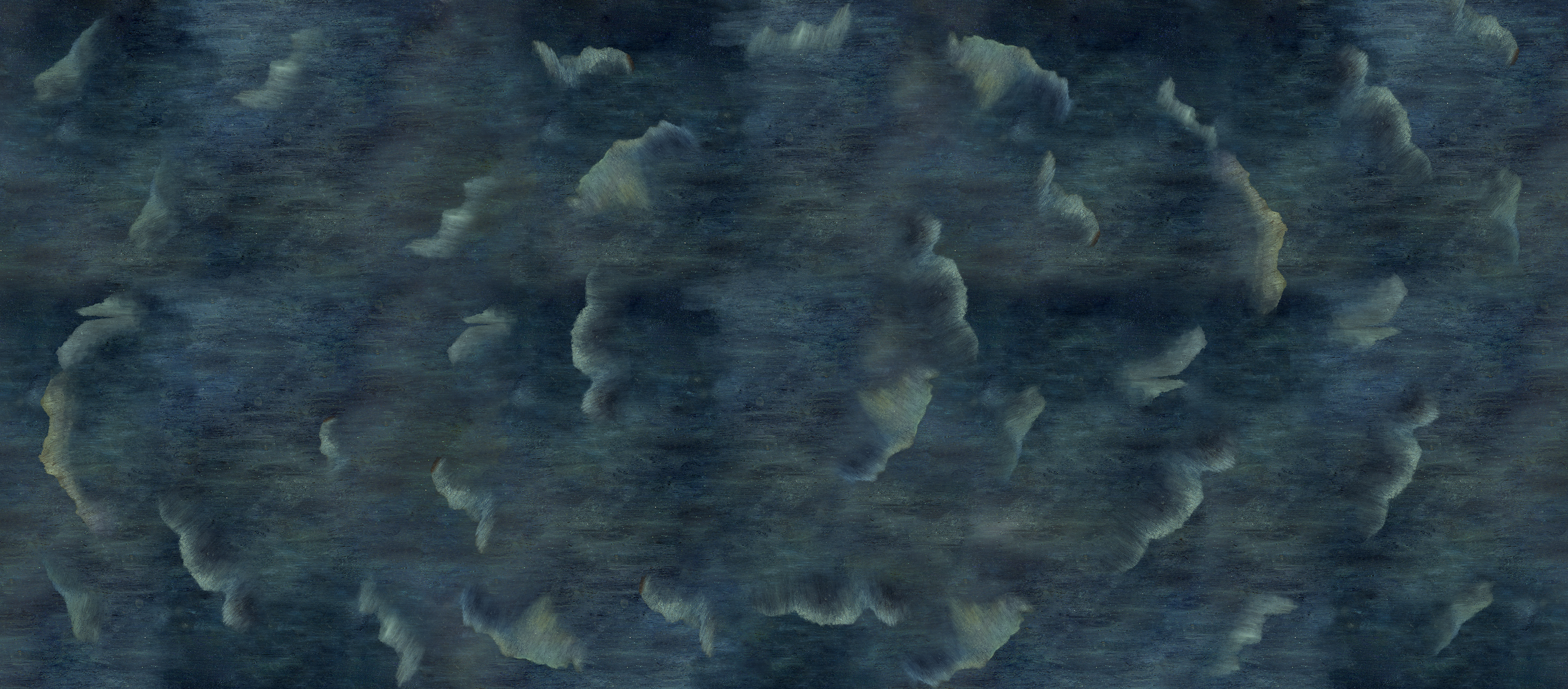
The floor was then arranged and animated (in the first option we can see the waves, which were meant to move), leaving space in the center for the final art installation, which you can enjoy today.
The floor was then arranged and animated (in the first option we can see the waves, which were meant to move), leaving space in the center for the final art installation, which you can enjoy today.
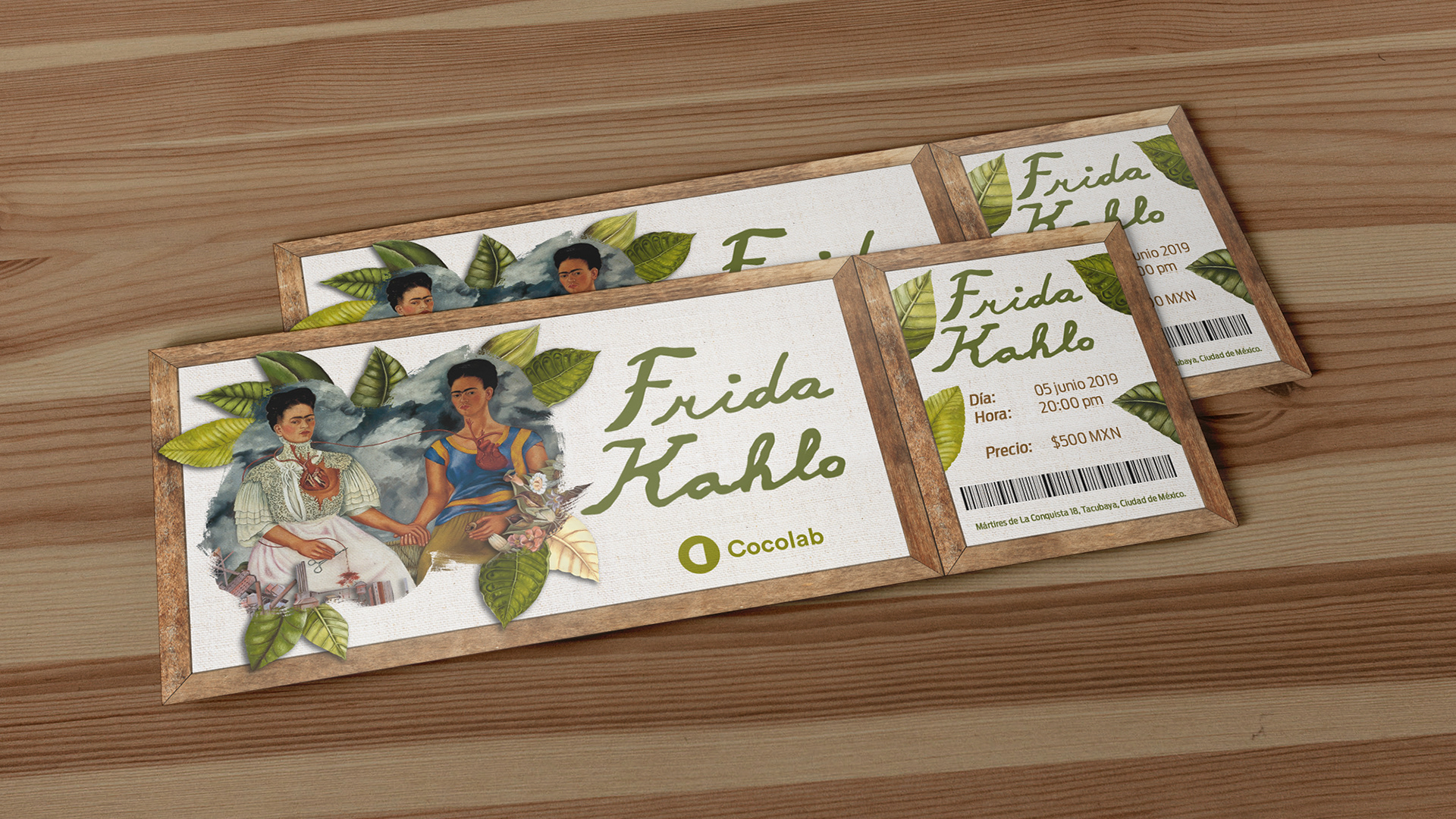
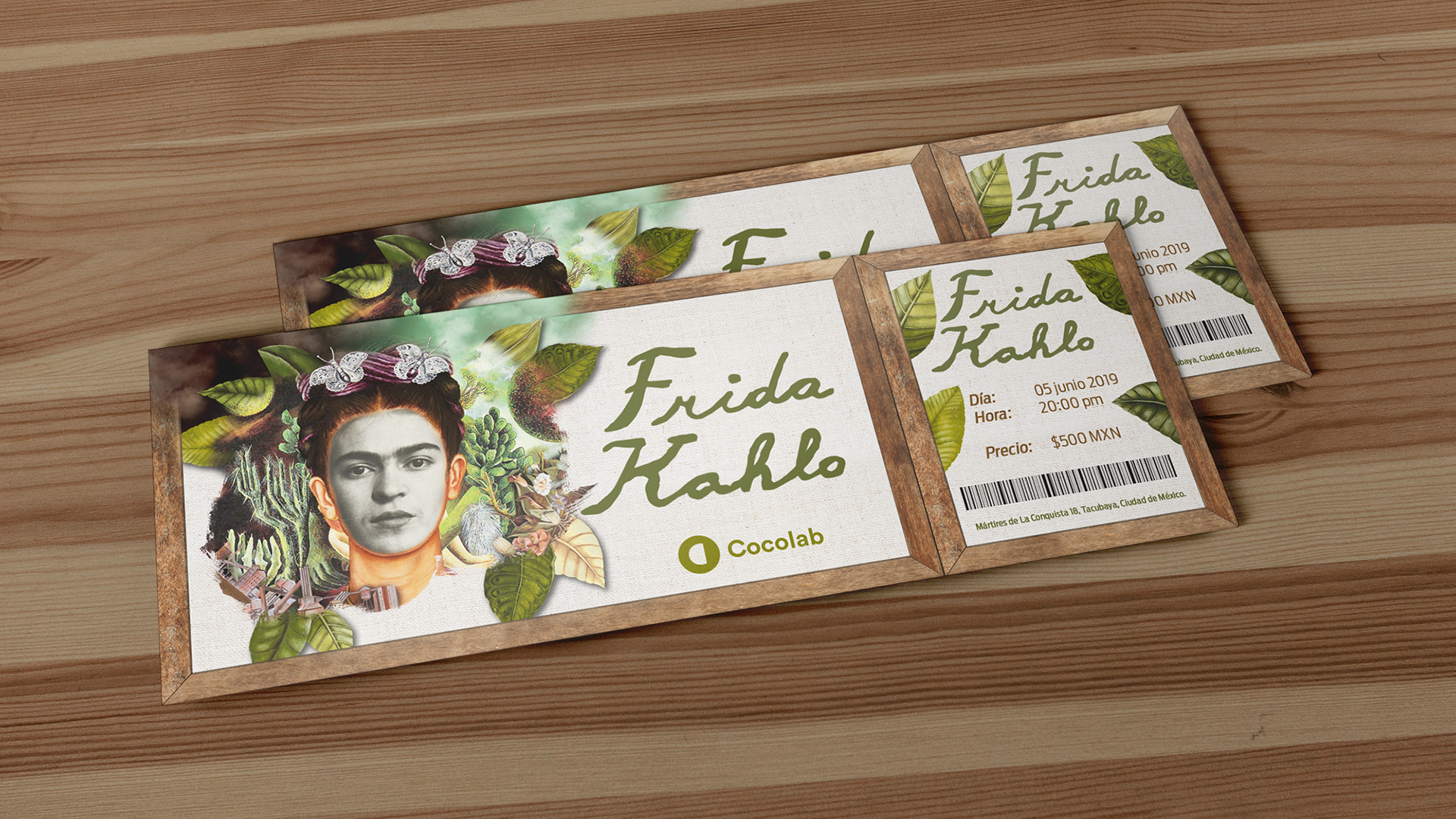
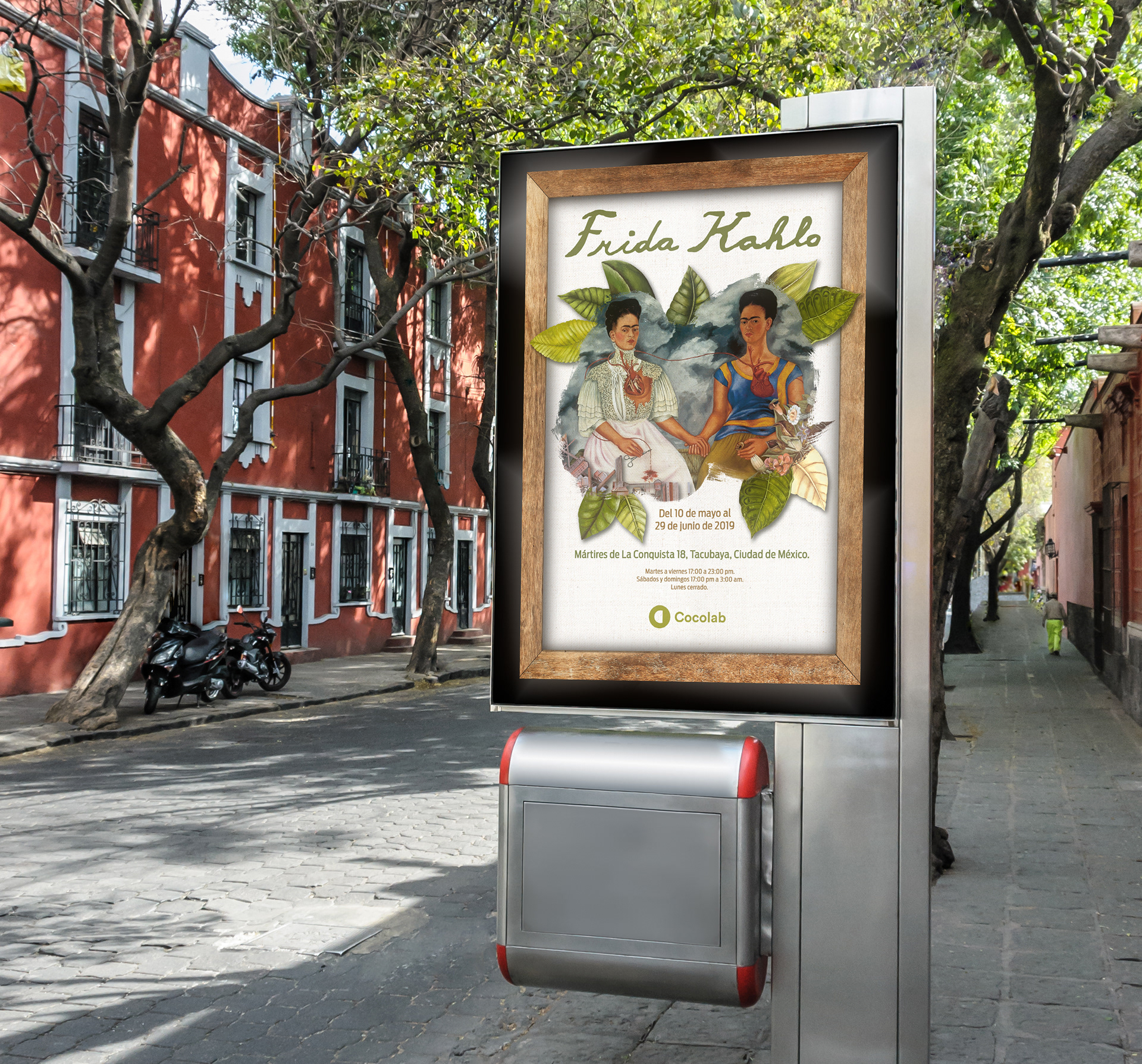
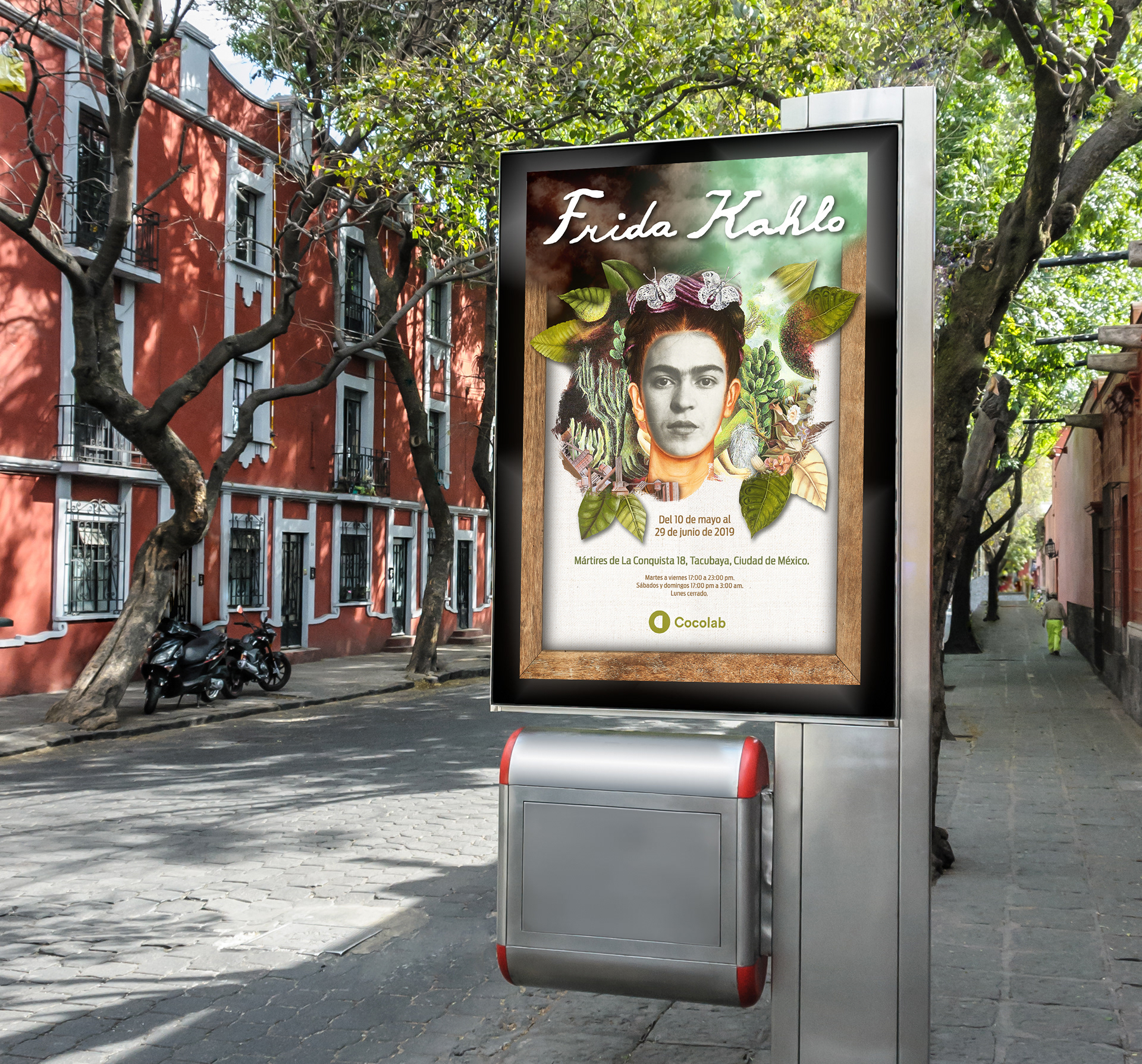
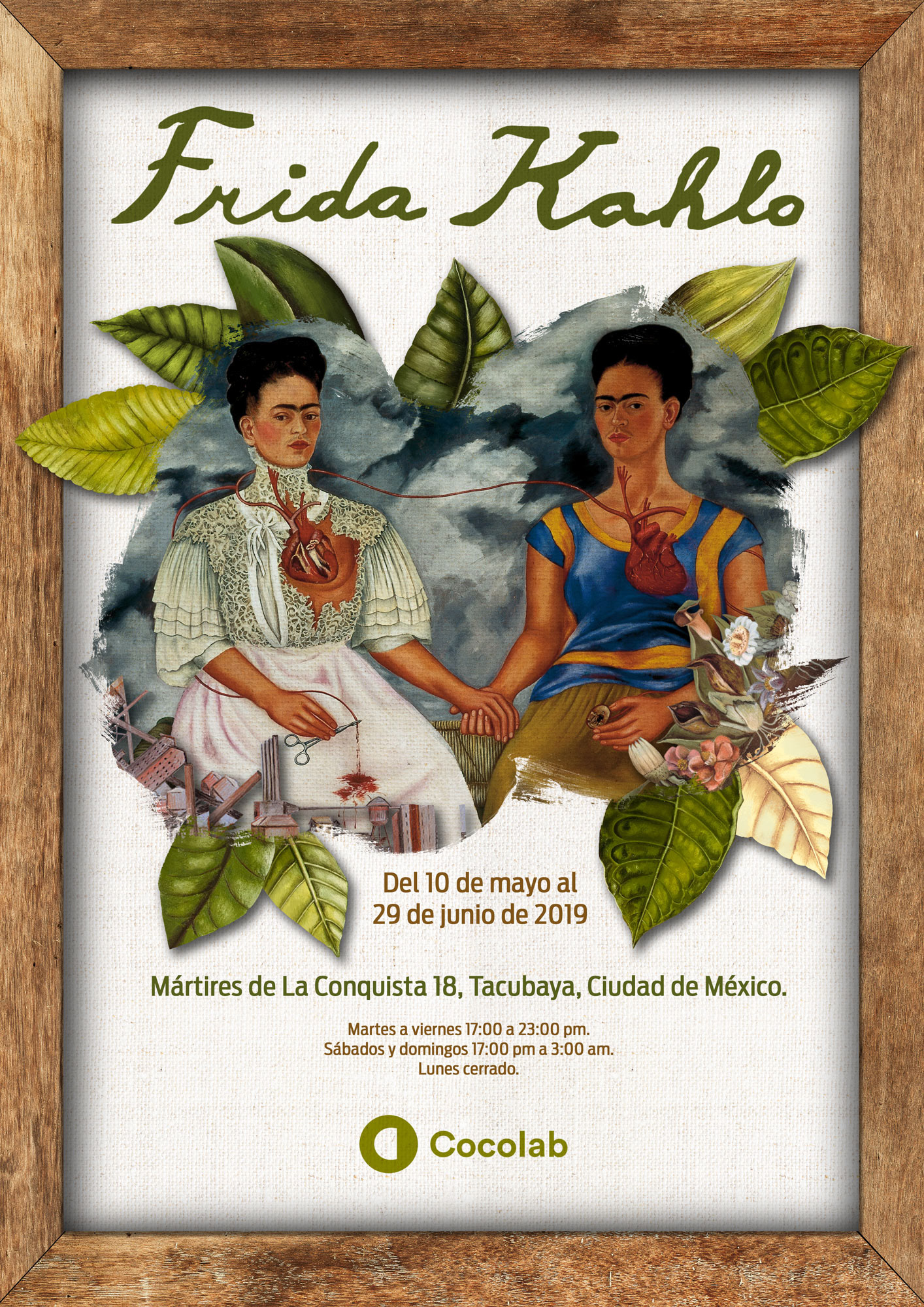
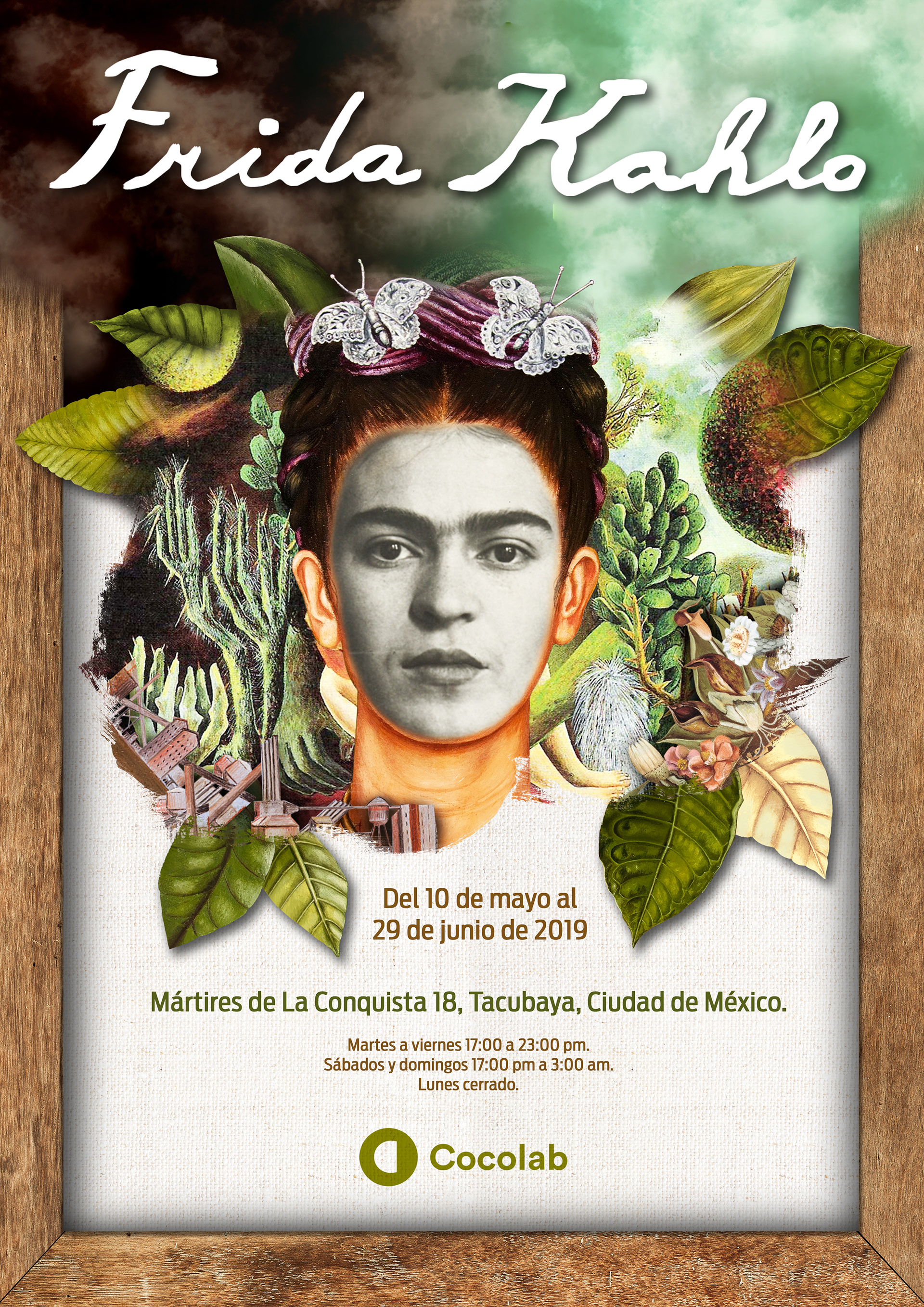
Finally, a few mock-ups were created to test the art direction and general branding of the experience.
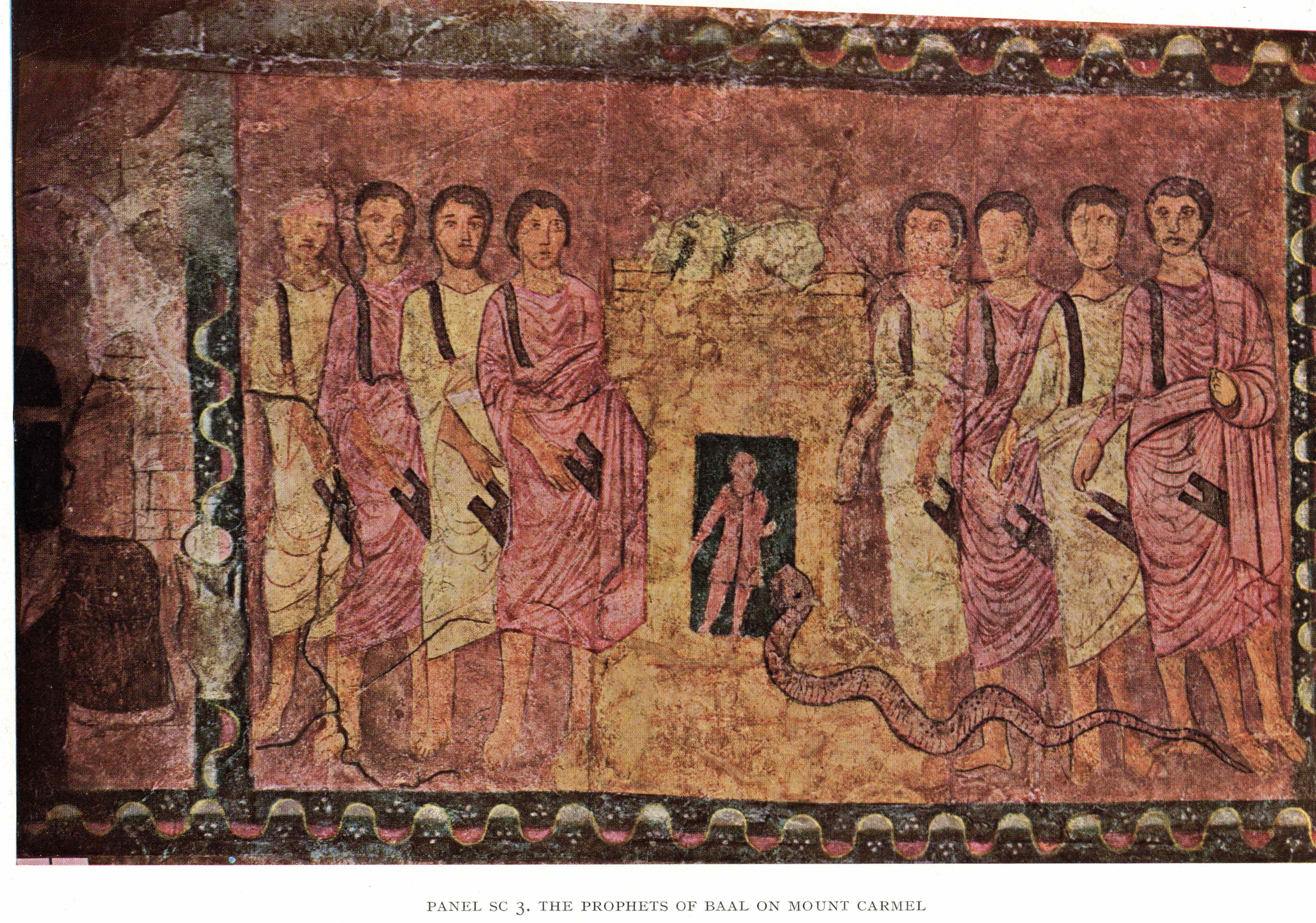
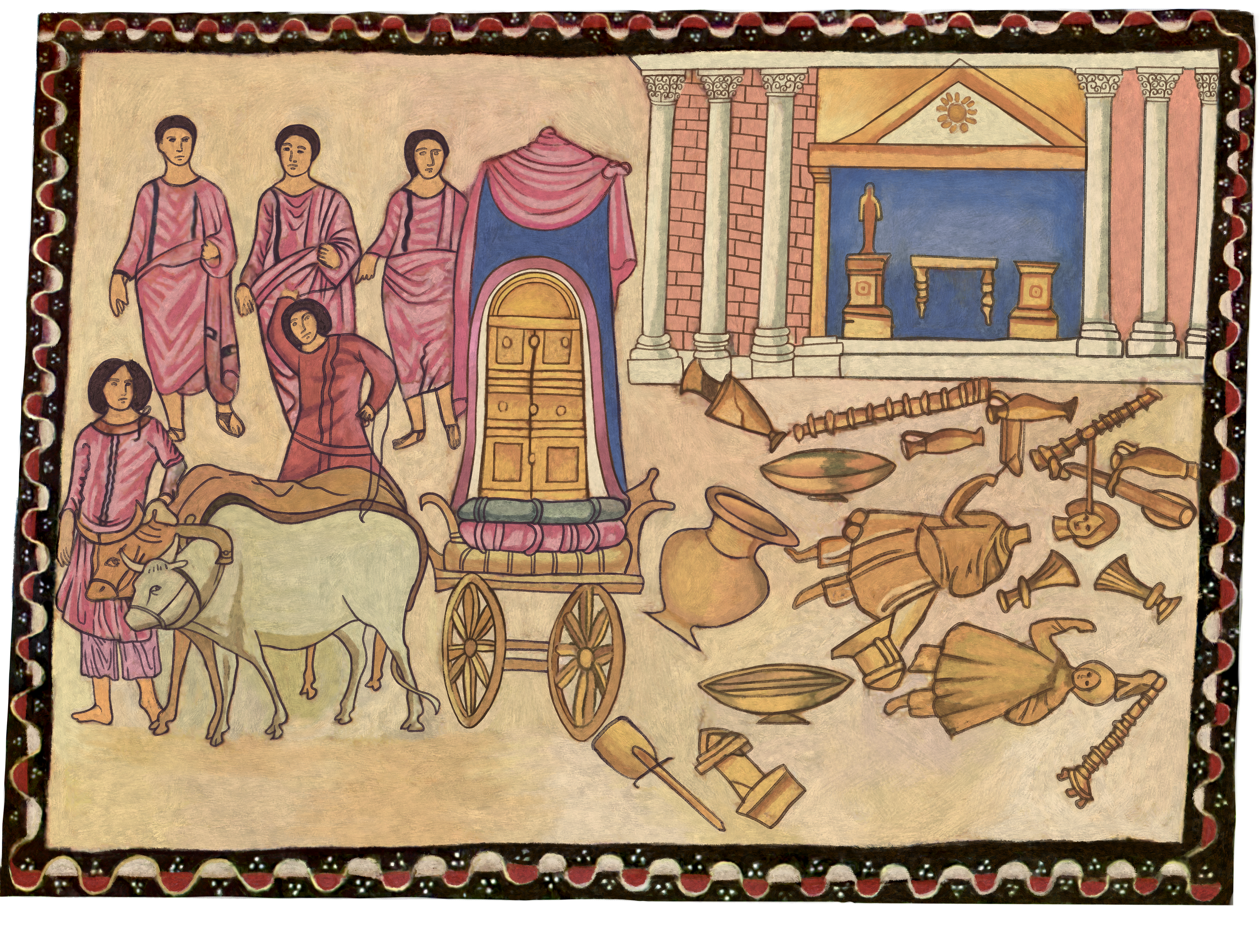
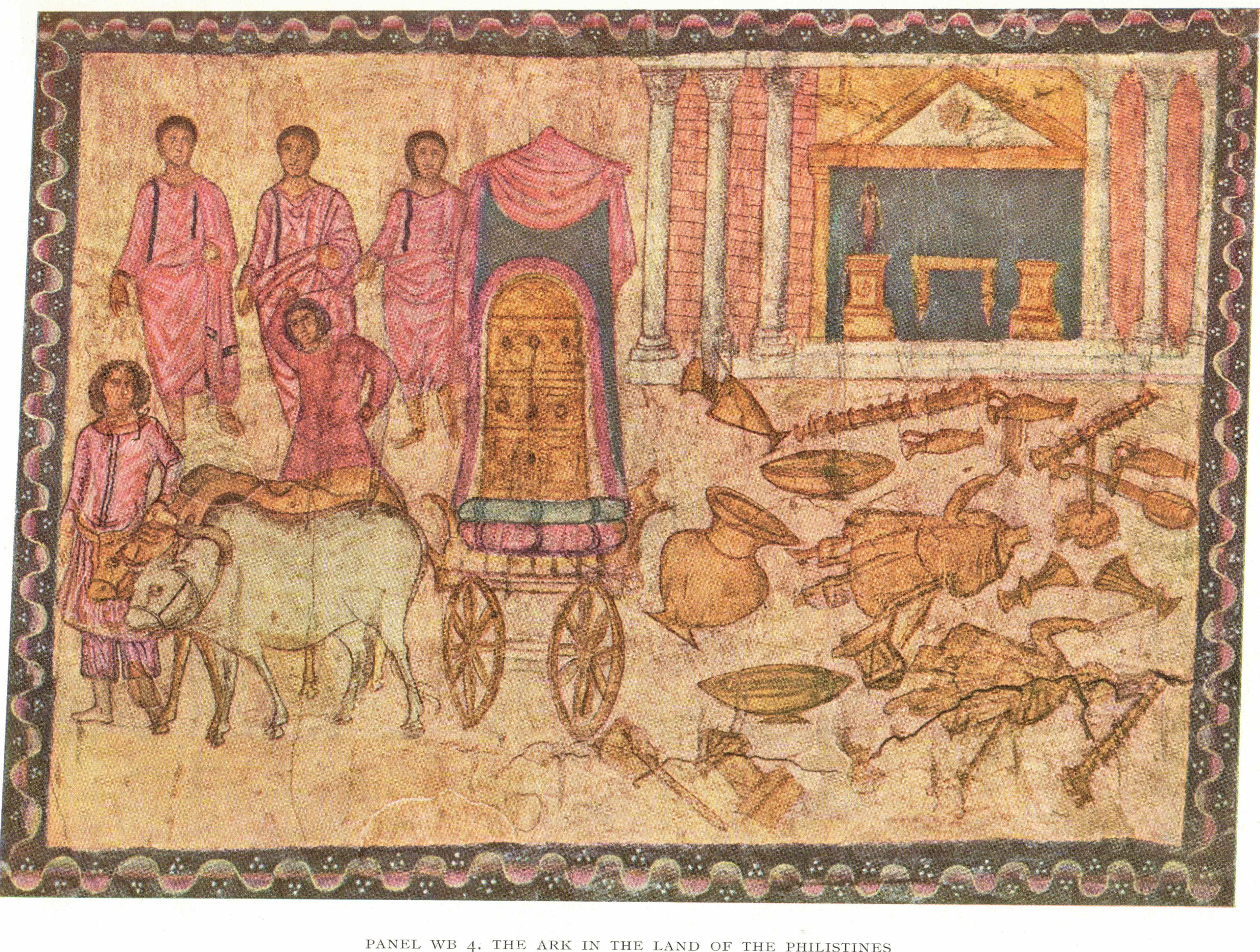
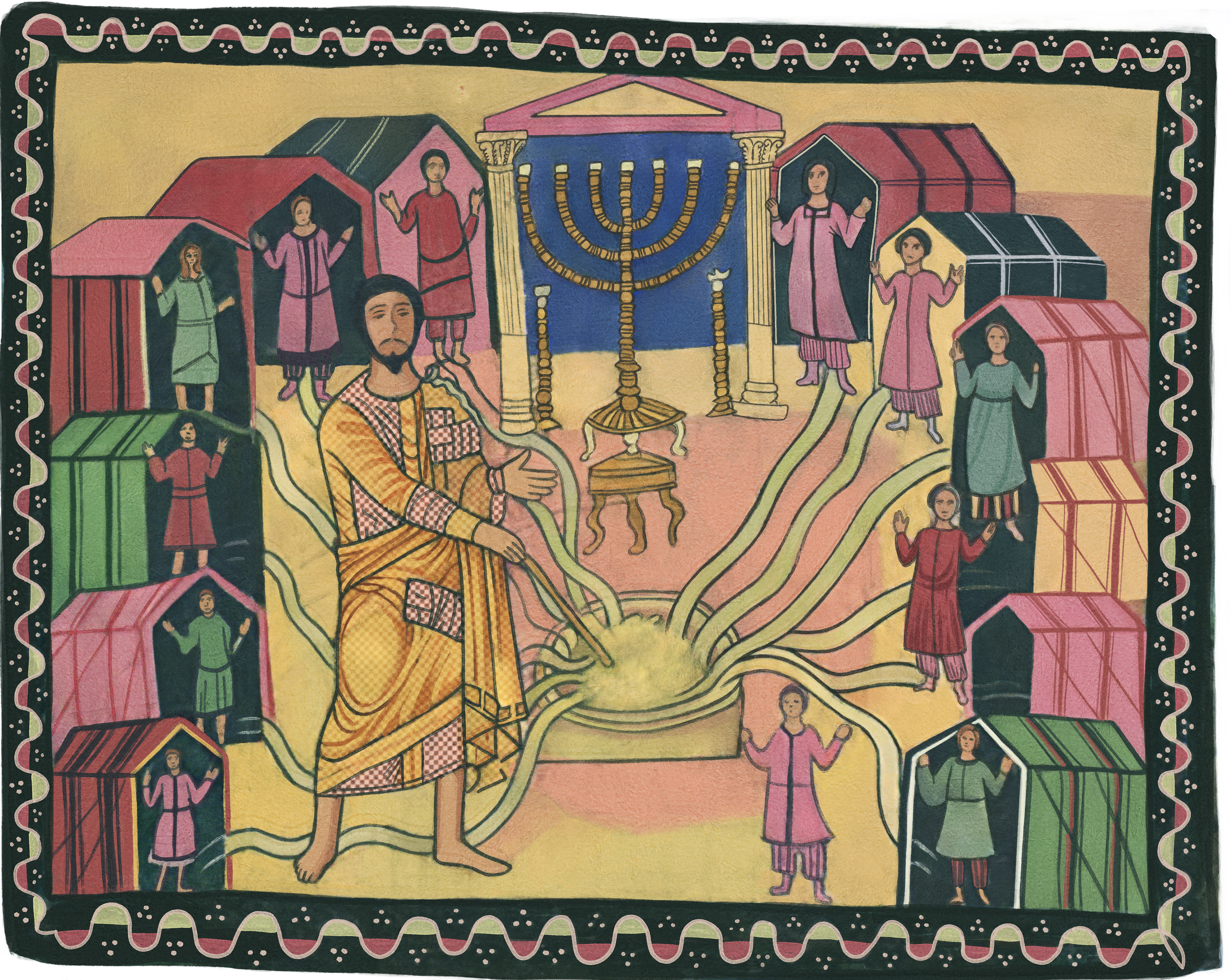
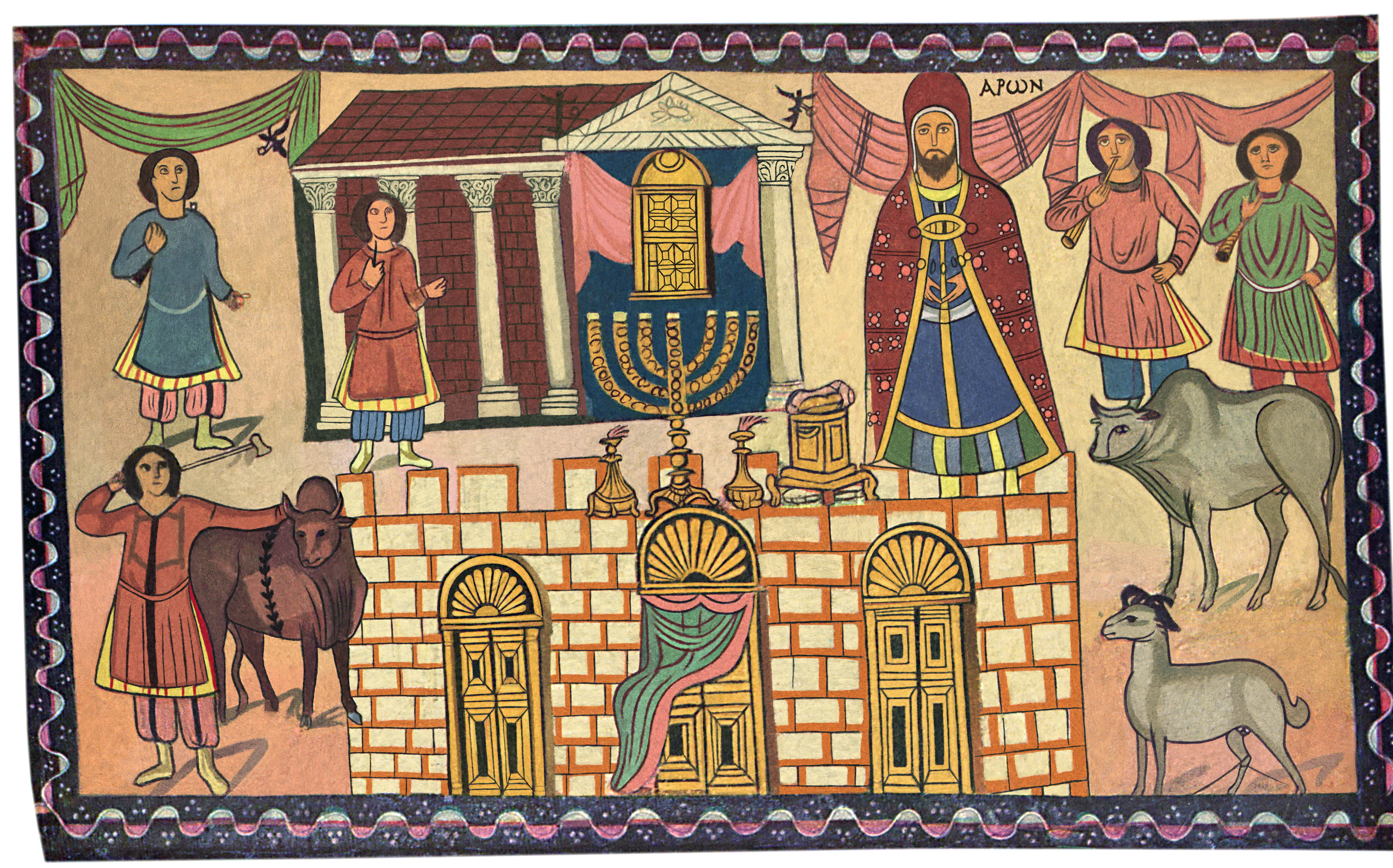
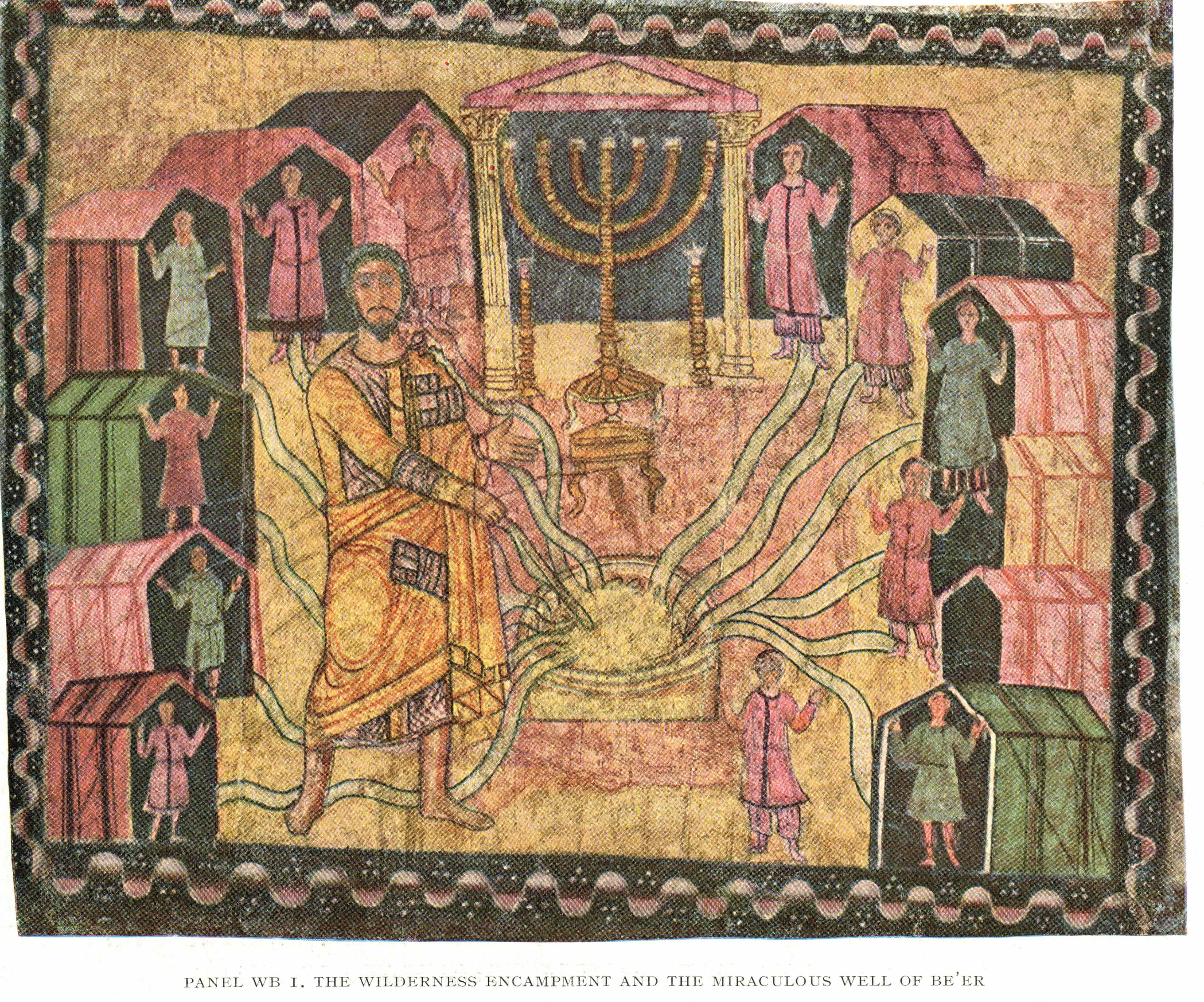
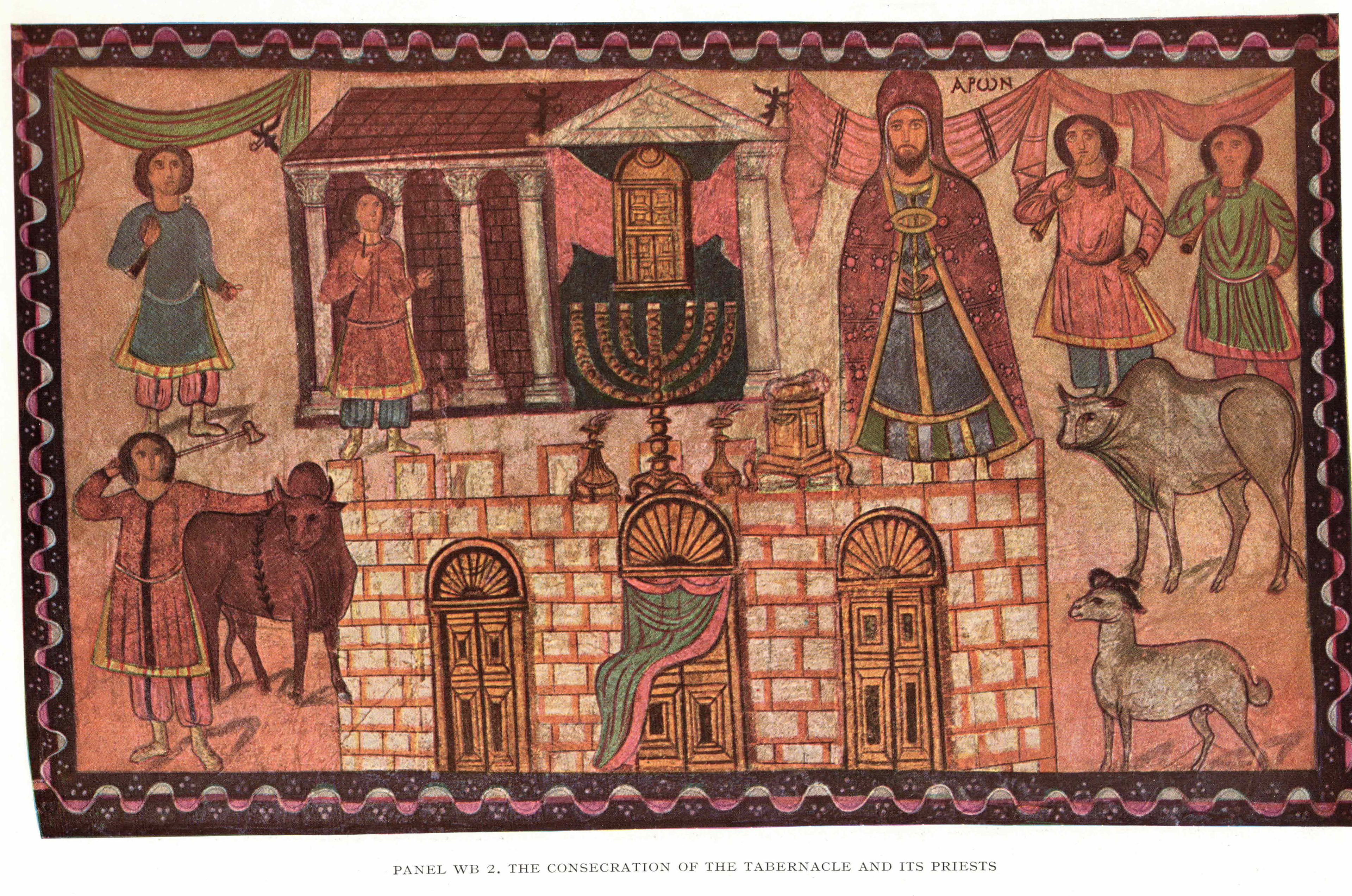
Synagoge project for Lithodomos
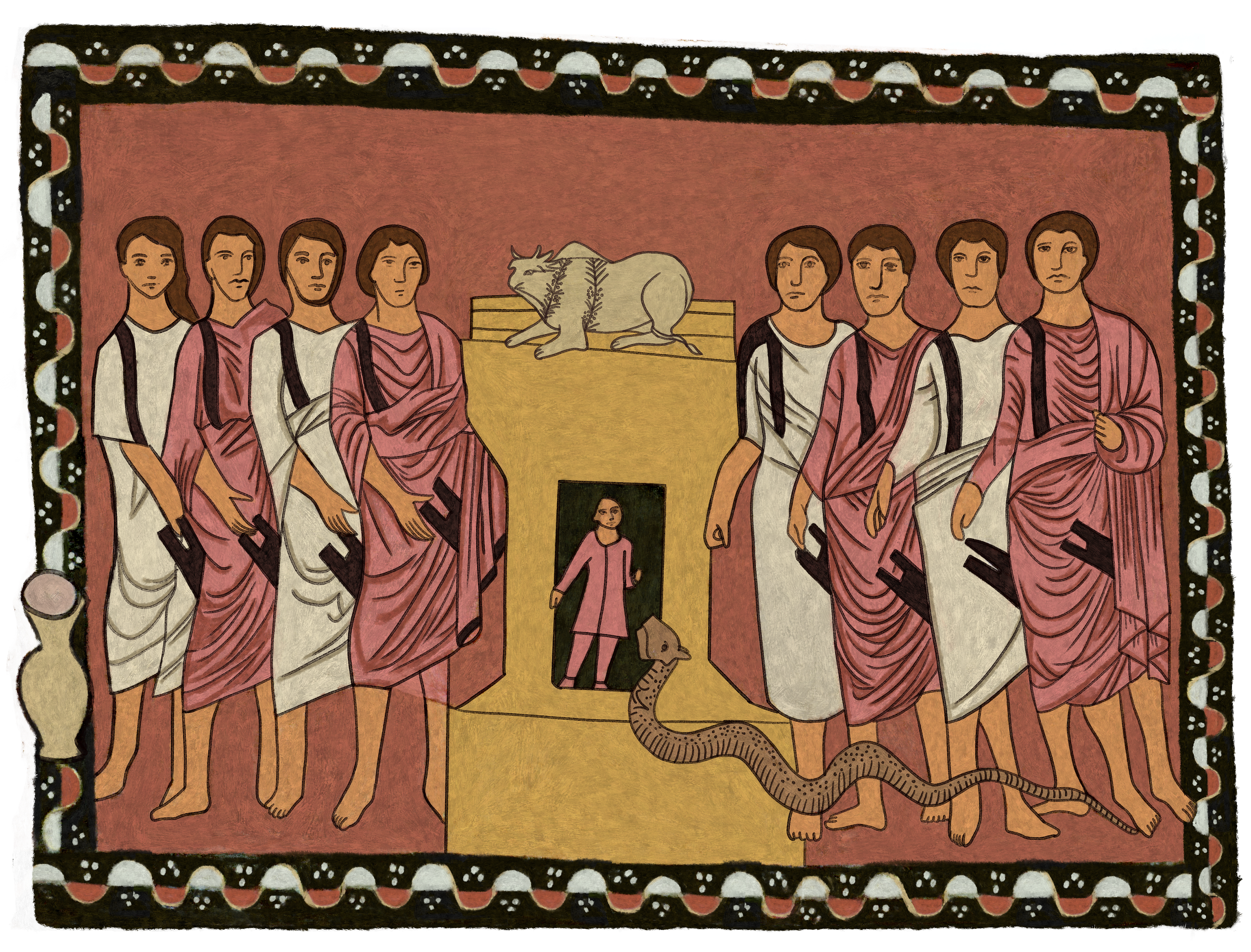
Papalote museum - zone 0 (temporary exhibition)
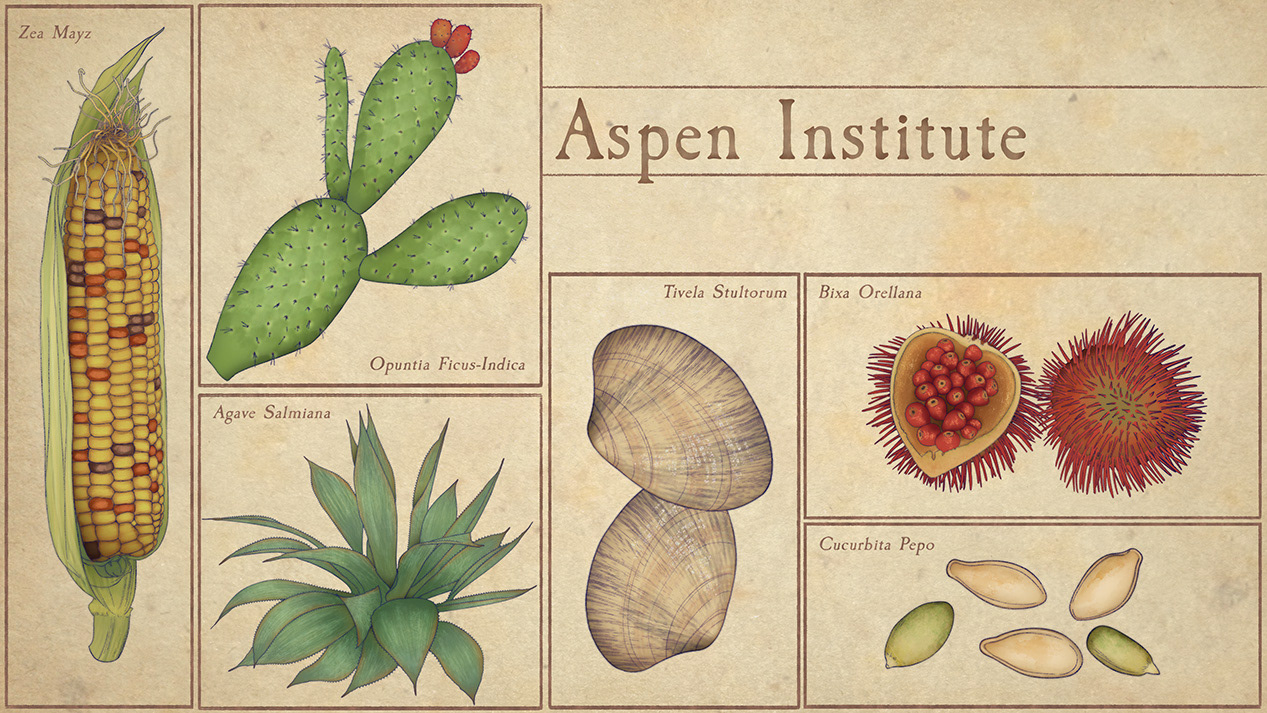
Aspen Institute - Scientific culinary illustration
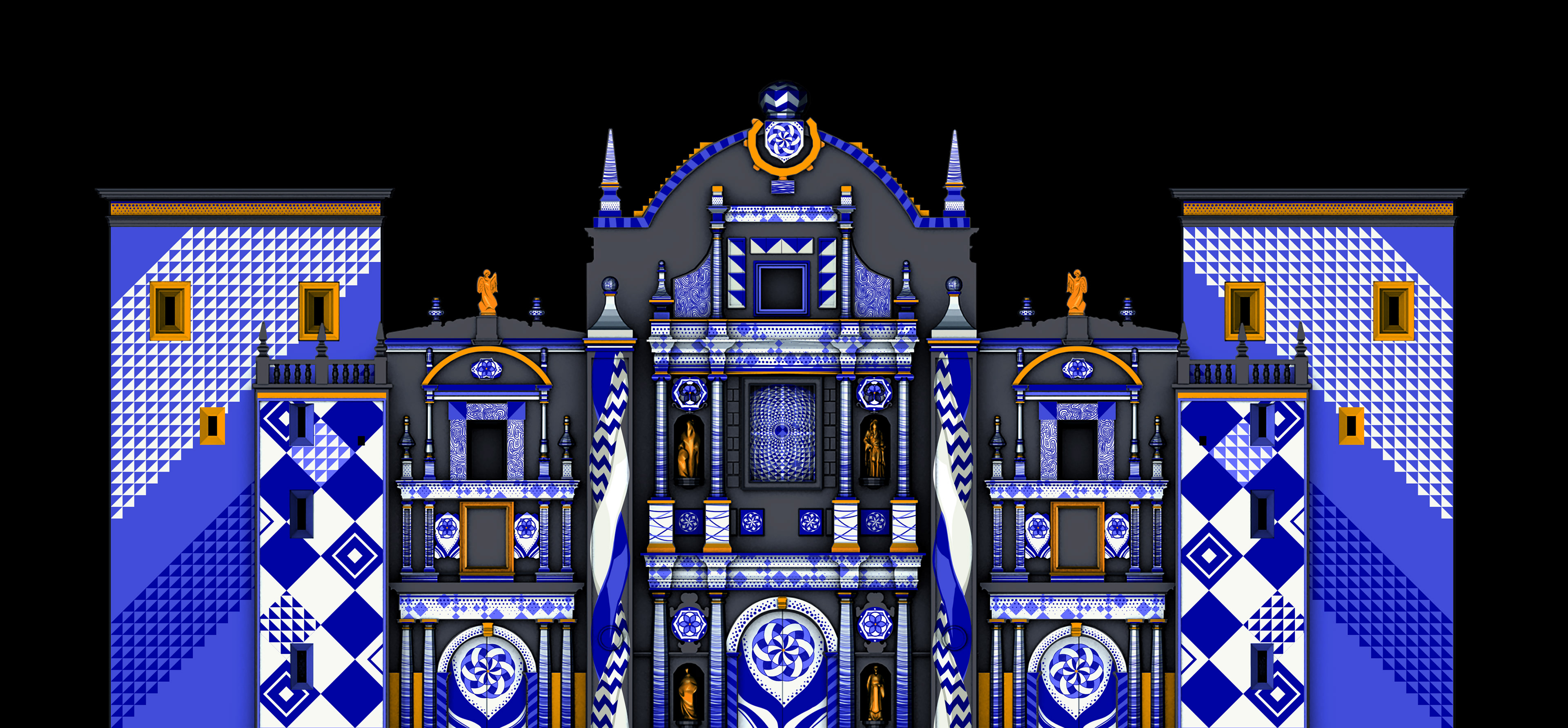
Videomapping - Puebla's modern talavera work
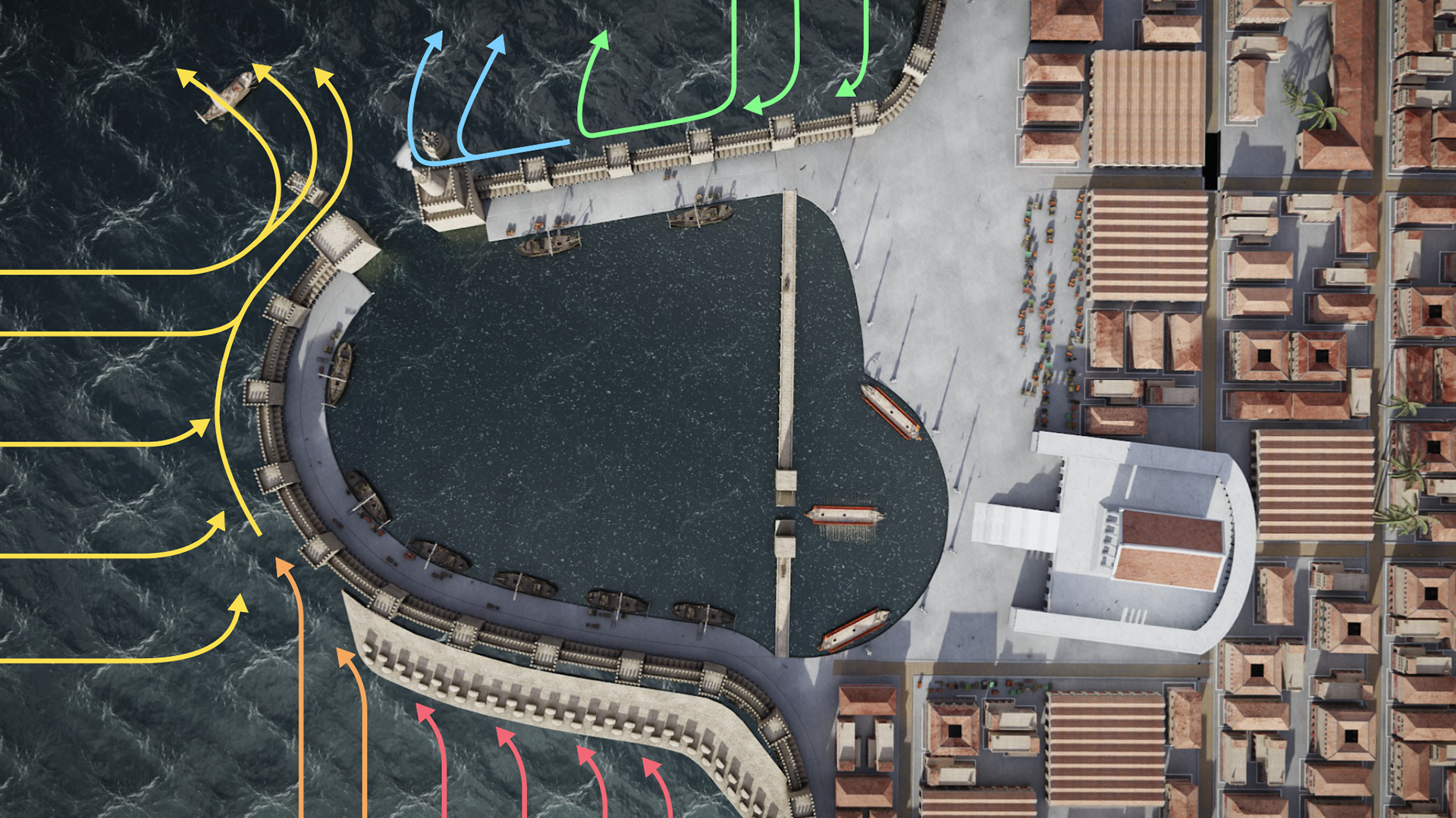
Motion graphics on Rome's currents
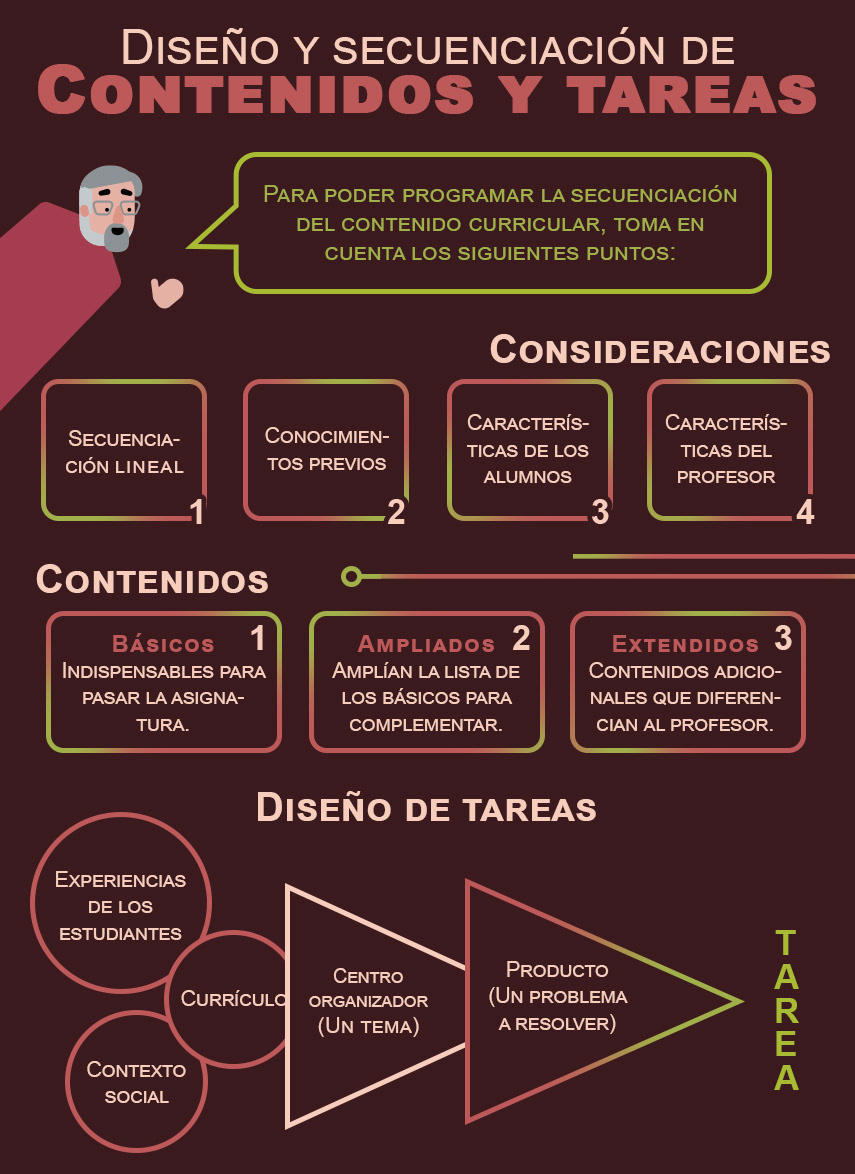
Panama University - Mathematics learning platform and infographics